Physical Address
304 North Cardinal St.
Dorchester Center, MA 02124
Physical Address
304 North Cardinal St.
Dorchester Center, MA 02124

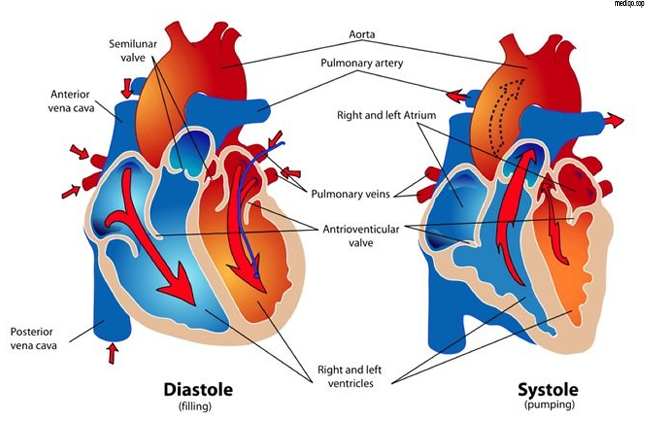
Stroke volume is a crucial concept in cardiovascular health. It refers to the amount of blood the heart pumps with each beat. Knowing your volume helps assess heart efficiency and overall circulation. Physicians often measure it alongside heart rate to determine cardiac output.
Stroke volume plays a vital role in both resting and active states. In athletes, higher stroke volumes allow the heart to pump more blood with fewer beats. This efficiency contributes to better oxygen delivery to muscles.
Measuring stroke volume involves calculating the difference between end-diastolic volume (EDV) and end-systolic volume (ESV). EDV is the blood present in the ventricle before contraction, while ESV is the blood remaining after contraction. The formula is:
Stroke Volume = EDV – ESV
Doctors can measure these volumes using echocardiography, MRI, or invasive cardiac catheterization. Non-invasive methods like echocardiography are preferred for routine assessments.
Read more >> What Cancer Can Cause Itchy Skin?
Several factors influence volume, including preload, afterload, and contractility. Preload refers to the initial stretching of heart muscles before contraction. Increased preload usually leads to a higher volume due to the Frank-Starling mechanism.
Afterload is the pressure the heart must overcome to eject blood. High blood pressure increases afterload, which can reduce volume. Contractility describes the heart muscle’s ability to contract. Stronger contractions result in higher stroke volumes.
Read more >> Rolling Loud Movie (2025) – Cast, Storyline, Review & Full Details
Volume is closely linked to cardiovascular fitness. Low volume may indicate heart conditions like cardiomyopathy, heart failure, or valve disease. Conversely, a healthy heart with good contractility and low afterload maintains an efficient volume.
Monitoring volume over time helps detect early signs of heart dysfunction. It also provides insight into the effectiveness of treatments, including medications or lifestyle changes like exercise and diet.
Physical activity significantly impacts volume. Endurance training increases volume by strengthening the heart muscle and improving ventricular filling. During exercise, volume rises to meet increased oxygen demands.
Athletes often develop larger stroke volumes compared to non-athletes. This adaptation allows their hearts to pump more blood per beat while maintaining a lower resting heart rate. The result is improved cardiac efficiency and performance.
Stroke volume works alongside heart rate to determine cardiac output, which is the total blood pumped per minute. Cardiac output is calculated as:
Cardiac Output = Stroke Volume × Heart Rate
Both factors are essential for maintaining adequate blood flow. Changes in volume can directly influence blood pressure, oxygen delivery, and overall circulatory function.
Stroke volume is a key measure of heart efficiency and cardiovascular health. Understanding this concept allows better monitoring of heart function, fitness levels, and potential medical conditions. Maintaining a healthy lifestyle supports optimal volume, ensuring your heart pumps effectively with every beat.