Physical Address
304 North Cardinal St.
Dorchester Center, MA 02124
Physical Address
304 North Cardinal St.
Dorchester Center, MA 02124

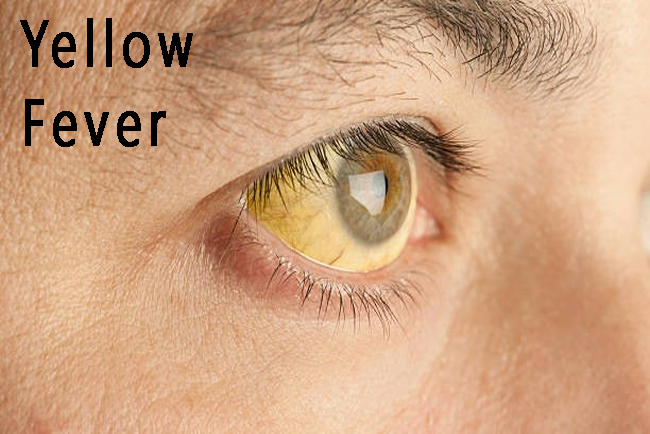
Yellow Fever is a serious viral disease spread through infected mosquito bites. It mainly affects tropical regions of Africa and South America. The disease gets its name from jaundice, a condition that causes yellowing of the skin and eyes in severe cases.
The illness develops due to the Yellow Fever virus, which belongs to the flavivirus family. Typically, mosquitoes carry the virus from infected animals or humans to others. As a result, outbreaks can spread quickly in areas with many mosquitoes. Therefore, understanding Yellow Fever helps individuals take timely preventive steps.
The main cause of Yellow Fever is the bite of an infected mosquito, especially from the Aedes species. These mosquitoes thrive in warm and humid environments. Consequently, people living in tropical regions face higher risks.
Several factors increase the chance of infection. For example:
In addition, poor sanitation and standing water allow mosquitoes to breed faster. Therefore, controlling mosquito populations remains essential.
Read More>>Rabies: Causes, Symptoms, Prevention, and Treatment Guide
Symptoms usually appear 3 to 6 days after infection. Initially, the illness may look similar to flu. However, symptoms can become severe if the virus spreads inside the body.
Common early signs include:
Most patients recover after the early phase. Nevertheless, some cases progress to a more dangerous stage.
In severe situations, the disease may lead to:
At this stage, immediate medical care becomes necessary. Otherwise, complications may become life-threatening.
Doctors usually diagnose Yellow Fever through medical history and laboratory testing. First, healthcare providers review travel details and symptoms. Next, blood tests confirm the presence of the virus.
Early detection significantly improves survival chances. Therefore, anyone with symptoms after visiting risk areas should seek medical help quickly.
Currently, there is no specific antiviral cure for Yellow Fever. Instead, treatment focuses on managing symptoms and supporting recovery.
Common supportive treatments include:
Meanwhile, self-medication should always be avoided. Consulting a healthcare professional ensures safe treatment.
Prevention remains the most effective defense against Yellow Fever. Most importantly, vaccination offers strong and long-lasting protection.
The Yellow Fever vaccine provides reliable immunity after a single dose in most cases. Additionally, many countries require proof of vaccination before entry. Therefore, travelers should check requirements before planning their trips.
Besides vaccination, reducing mosquito exposure is essential. Helpful prevention steps include:
Together, these measures lower infection risks significantly.
Yellow Fever continues to affect many communities worldwide. However, proper education helps reduce fear and confusion. Increased awareness encourages vaccination and mosquito control. As a result, communities can prevent outbreaks more effectively.
Travelers, healthcare workers, and residents in risk areas all benefit from accurate information. Therefore, spreading knowledge plays a vital role in public health safety.
Yellow Fever is a preventable yet dangerous mosquito-borne disease. Although no specific cure exists, supportive care improves recovery chances. More importantly, vaccination and mosquito control remain the strongest protection methods.
By staying informed and taking preventive measures, individuals can protect themselves and their communities from Yellow Fever.
Read More>>Enola Holmes 3 (2026)