Physical Address
304 North Cardinal St.
Dorchester Center, MA 02124
Physical Address
304 North Cardinal St.
Dorchester Center, MA 02124

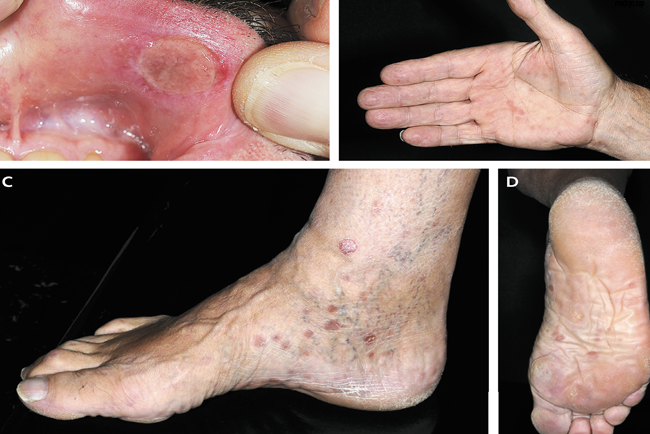
Syphilis is a common sexually transmitted infection. It spreads through oral, vaginal, and anal contact. Many people do not notice early signs. This disease progresses in several stages, and each stage has different visual symptoms. Early detection helps prevent long-term complications.
The first stage begins with a small sore called a chancre. It usually appears at the point of contact. The sore is firm and round. It does not cause pain. Many people mistake it for a harmless bump.
Chancres appear on the genitals, mouth, anus, or lips. The sore heals within three to six weeks. Healing does not mean the infection is gone.
Read more >> what is stroke volume?
A chancre has a smooth base and raised edges. The center often feels wet or shiny. The skin around it may look reddish. Women may find it inside the vagina or cervix. Men may see it on the penis or scrotum. Some people develop multiple sores, but one sore is more common.
Read more >> My Secret Santa (2025): A Heartwarming Holiday Romance Set to Steal the Season
After the chancre heals, the second stage begins. This stage creates the most visible signs. A rash is the main symptom. It can appear on any part of the body. Many people find the rash on the palms and soles. The rash does not itch.
The color ranges from pink to brown. The spots are flat or slightly raised. They often feel rough. The rash may come and go.
Secondary syphilis also creates mucous patches. These develop inside the mouth, on the tongue, or in the throat. They look like white or gray moist spots. Some people see wart-like growths around the genitals or anus. These growths are called condyloma lata.
Hair loss can occur. It usually appears in small round patches on the scalp. The eyebrows or eyelashes may thin out too.
If untreated, syphilis enters the latent stage. There are no visible symptoms. The bacteria stay inside the body. Many people live for years without signs. Testing is the only way to detect infection at this stage.
Even without symptoms, the disease continues to cause internal damage.
A small number of untreated cases progress to the tertiary stage. This stage develops years after the first infection. It affects the heart, brain, nerves, and bones.
Large sores called gummas appear on the skin in this stage. They look swollen and soft. They may open and form deep wounds.
Syphilis can infect the eyes at any stage. Redness, blurred vision, and eye pain are common signs. Some people see floaters or experience light sensitivity. Eye infection can cause permanent damage if ignored.
Any sore, rash, or unusual skin change in the genital or mouth area needs medical attention. Testing is simple. A blood test can confirm syphilis. Treatment is effective when started early.
Doctors use antibiotics to cure syphilis. Most people need one injection, but some require more depending on the stage.
Safe sexual practices help prevent infection. Condoms reduce the risk but do not offer full protection. Regular testing is important for anyone who has multiple partners.
Communication with partners keeps everyone safe. Early treatment protects both you and your partner.
Syphilis spreads easily in the early stages. Many people do not feel sick, so they do not seek help. Recognizing rashes and sores helps stop the infection. Quick treatment prevents nerve, brain, and heart damage.
Awareness plays a key role in controlling the disease.