Physical Address
304 North Cardinal St.
Dorchester Center, MA 02124
Physical Address
304 North Cardinal St.
Dorchester Center, MA 02124

Dengue fever is a rapidly spreading viral illness caused by the dengue virus, which is transmitted primarily through the bite of infected Aedes aegypti mosquitoes. It is most common in tropical and subtropical regions, including parts of Asia, Africa, and South America. In recent years, cases have increased significantly due to climate change, urbanization, and poor mosquito control.
Dengue fever is a mosquito-borne viral infection that can cause flu-like symptoms and, in severe cases, life-threatening complications such as dengue hemorrhagic fever or dengue shock syndrome. The infection spreads when an infected mosquito bites a human, passing the virus into the bloodstream.
Dengue fever is caused by four closely related dengue viruses (DENV-1, DENV-2, DENV-3, DENV-4). A person can be infected more than once in their lifetime, and subsequent infections may increase the risk of severe illness.
The virus spreads mainly through:
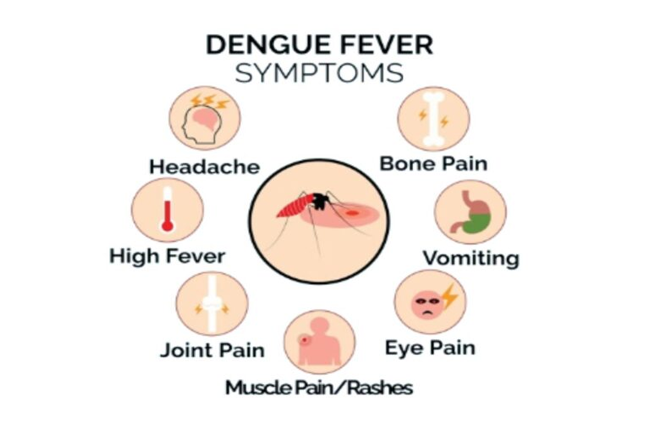
Symptoms usually appear 4–10 days after being bitten by an infected mosquito. Common signs include:
In severe cases, warning signs may include bleeding gums, persistent vomiting, rapid breathing, and severe abdominal pain. Immediate medical attention is required if these occur.
There is no specific antiviral cure for dengue fever. Diagnosis is typically done through blood tests that detect the virus or antibodies.
Treatment focuses on managing symptoms:
Early detection plays a crucial role in preventing complications.
Read More>>Fluoxetine: Uses, Benefits, Side Effects, and Safety Guide
Preventing dengue fever mainly involves controlling mosquito populations and avoiding bites:
Community-level mosquito control programs are also essential to reduce outbreaks.
Dengue fever remains a major global health concern, especially in warm and humid climates. Understanding its symptoms, causes, and prevention strategies can significantly reduce the risk of infection. Since there is no specific cure, prevention and early medical care are the best defenses against the disease.
By maintaining proper hygiene, controlling mosquito breeding, and staying alert to symptoms, individuals and communities can effectively reduce the spread of this dangerous illness.
Read More>>Kattalan (2026) Movie Preview