Physical Address
304 North Cardinal St.
Dorchester Center, MA 02124
Physical Address
304 North Cardinal St.
Dorchester Center, MA 02124
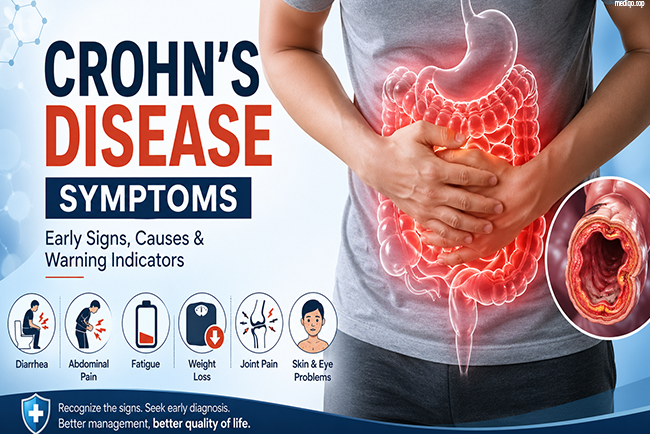
Crohn’s disease is a chronic inflammatory condition that affects the digestive tract. It belongs to a group of disorders known as inflammatory bowel disease (IBD). The inflammation can appear anywhere from the mouth to the anus, but it most often targets the small intestine and colon. Symptoms vary widely among individuals, and they often develop gradually. Early recognition of symptoms helps prevent complications and supports better disease management.
The most noticeable Crohn’s disease symptoms involve the digestive system. Persistent diarrhea is one of the earliest warning signs. Many people also experience abdominal pain and cramping, which can range from mild discomfort to severe pain. Blood in the stool may occur, indicating inflammation or ulceration in the intestines. Some individuals report an urgent need to use the bathroom, even when little stool is passed. These symptoms often come and go, with periods of flare-ups followed by remission.
Fatigue is a frequent complaint among people with Crohn’s disease. Chronic inflammation and poor nutrient absorption can drain energy levels. Many individuals feel tired even after adequate rest. Weakness may also develop due to anemia, which results from blood loss or reduced iron absorption. This ongoing exhaustion can affect daily activities and overall quality of life.
Read more >> Gluten Intolerance Signs: Symptoms, Causes and Early Detection
Unintentional weight loss is another key symptom. Inflammation in the digestive tract can interfere with nutrient absorption. As a result, the body does not receive enough calories or essential vitamins. Many people also experience a reduced appetite due to pain or discomfort while eating. Over time, this can lead to malnutrition and delayed growth in children and teenagers.
Crohn’s disease does not only affect the gut. It can also cause symptoms in other parts of the body. Joint pain and swelling are common, especially during flare-ups. Skin problems such as rashes or sores may develop. Eye inflammation can lead to redness, pain, or blurred vision. Some individuals also experience liver or bile duct complications. These symptoms highlight the systemic nature of the disease.
Children with Crohn’s disease may show different signs than adults. Delayed growth and puberty are important warning signals. Chronic diarrhea and abdominal pain may still occur, but they are sometimes overlooked. Poor appetite and nutrient deficiencies can affect physical development. Early diagnosis is essential to support healthy growth and prevent long-term complications.
In some cases, Crohn’s disease symptoms become more serious. Severe abdominal pain may indicate a blockage or narrowing in the intestine. Persistent vomiting and dehydration require immediate attention. Fistulas, which are abnormal connections between organs, can develop and cause infection. High fever and severe bleeding are also signs that medical care is urgently needed. Ignoring these symptoms can lead to life-threatening complications.
Symptoms often worsen during flare-ups. Certain factors can trigger these episodes. Stress plays a significant role in increasing symptom severity. Diet can also influence flare-ups, although triggers vary from person to person. Smoking is known to worsen Crohn’s disease and increase complications. Identifying and avoiding personal triggers can help manage symptoms more effectively.
Recognizing Crohn’s disease symptoms early allows for timely treatment. Doctors use a combination of tests, including blood work, imaging, and endoscopy, to confirm the diagnosis. Early intervention can reduce inflammation, control symptoms, and prevent complications. Treatment plans often include medication, lifestyle changes, and sometimes surgery.
Managing Crohn’s disease requires a long-term approach. Patients need to monitor symptoms and follow medical advice closely. A balanced diet, stress management, and regular check-ups can improve quality of life. Support from healthcare providers and family members also plays a crucial role. While there is no cure, many people live active and fulfilling lives with proper care.