Physical Address
304 North Cardinal St.
Dorchester Center, MA 02124
Physical Address
304 North Cardinal St.
Dorchester Center, MA 02124

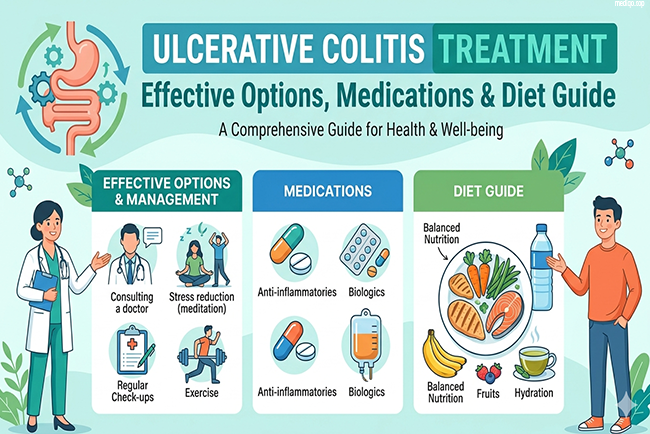
Ulcerative colitis is a chronic condition that affects the large intestine. It causes inflammation and ulcers in the colon lining. People with this condition often face symptoms like diarrhea, abdominal pain, and fatigue. Effective treatment helps control inflammation, reduce symptoms, and improve quality of life.
Treatment focuses on achieving and maintaining remission. Doctors aim to reduce inflammation and prevent flare-ups. Healing the intestinal lining is another key goal. Long-term management helps patients live a normal and active life.
Medicines play a central role in treatment. Doctors often prescribe anti-inflammatory drugs first. Aminosalicylates help reduce mild to moderate inflammation. Corticosteroids are used for short-term relief during flare-ups.
Immunosuppressants weaken the immune response. These drugs help control moderate to severe cases. Biologic therapies target specific proteins in the immune system. They are effective for patients who do not respond to other treatments.
Doctors select medication based on disease severity and patient response. Regular monitoring ensures safety and effectiveness.
Diet plays an important role in managing symptoms. There is no single diet for everyone. However, patients often benefit from avoiding trigger foods. Spicy foods, dairy, and high-fiber items may worsen symptoms during flare-ups.
Eating smaller meals can improve digestion. Staying hydrated is also essential. Stress management techniques like yoga and meditation may help reduce flare frequency. A balanced lifestyle supports overall gut health.
Read more >> Crohn’s Disease Symptoms: Early Signs, Causes, and Warning Indicators
Surgery becomes necessary in severe cases. Doctors may recommend it if medications fail. It is also used when complications develop.
The most common procedure involves removing the colon and rectum. Surgeons may create an internal pouch to restore bowel function. Surgery can provide a long-term solution for many patients. However, it requires careful consideration and medical guidance.
Flare-ups can occur even with treatment. Recognizing early symptoms helps manage them quickly. Doctors may adjust medications during these periods. Rest and proper nutrition support recovery.
Patients should follow their treatment plan closely. Keeping a symptom diary can help identify triggers. Regular communication with a healthcare provider improves disease control.
Routine check-ups help track disease progress. Doctors may use colonoscopy and lab tests for evaluation. Monitoring ensures that treatment remains effective. It also helps detect complications early.
Patients should never stop medication without medical advice. Consistent care reduces the risk of severe flare-ups and long-term damage.
New therapies continue to improve treatment outcomes. Advanced biologics and small-molecule drugs show promising results. Research in Gastroenterology focuses on personalized treatment approaches.
Scientists are exploring the role of the gut microbiome. Future therapies may offer more targeted and effective options. Continuous research brings hope for better disease management.
Ulcerative colitis treatment requires a comprehensive approach. Medications, lifestyle changes, and regular monitoring all play vital roles. Early diagnosis and proper care improve long-term outcomes. Patients can lead a healthy life with the right treatment strategy.