Physical Address
304 North Cardinal St.
Dorchester Center, MA 02124
Physical Address
304 North Cardinal St.
Dorchester Center, MA 02124
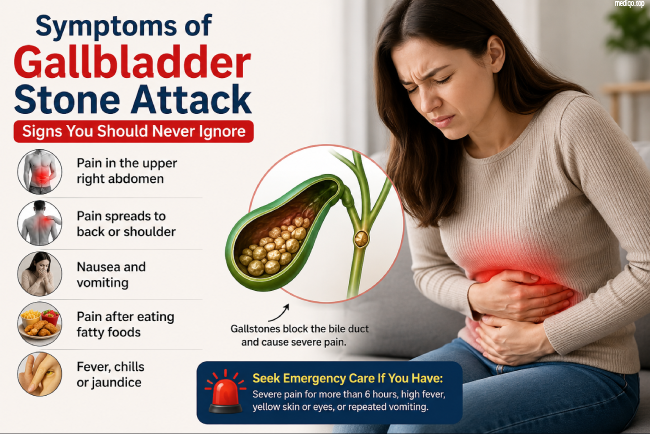
A gallbladder stone attack can happen without warning and cause intense discomfort. Gallstones are hardened deposits that form inside the gallbladder, a small organ located beneath the liver. Many people have gallstones without knowing it, but once a stone blocks the bile duct, painful symptoms can develop quickly. Recognizing the symptoms of a gallbladder stone attack can help you seek timely medical care and prevent serious complications.
A gallbladder stone attack, also called biliary colic, occurs when a gallstone temporarily blocks the flow of bile from the gallbladder. This blockage increases pressure inside the organ and causes severe pain. The attack often begins after eating a large or fatty meal because the gallbladder contracts to release bile for digestion.
The pain may last from several minutes to several hours. If the blockage continues or infection develops, the condition can become a medical emergency.
The symptoms may vary from person to person, but several warning signs are commonly reported.
The most noticeable symptom is a sharp or cramping pain in the upper right side of the abdomen. The pain often starts suddenly and may become severe within a short time.
Many people experience pain that radiates to the right shoulder blade or the middle of the back. This referred pain is a classic sign of a gallbladder attack.
Symptoms frequently appear after consuming fried foods, cheese, butter, or other high-fat meals. The pain usually begins within one to three hours after eating.
A gallbladder attack often causes nausea and repeated vomiting. These symptoms may continue until the pain begins to improve.
The upper abdomen may feel sore when touched. Deep breathing can also increase discomfort during an attack.
Some symptoms suggest that the gallstone has caused complications. These warning signs require immediate medical evaluation.
A fever combined with severe abdominal pain may indicate inflammation or infection of the gallbladder, known as acute cholecystitis.
Jaundice develops when a gallstone blocks the common bile duct. The skin and the whites of the eyes may turn yellow.
Blocked bile flow can cause dark-colored urine and clay-colored stools. These symptoms often accompany jaundice.
Pain lasting longer than six hours should never be ignored. Continuous pain may signal a complete blockage or another serious complication.
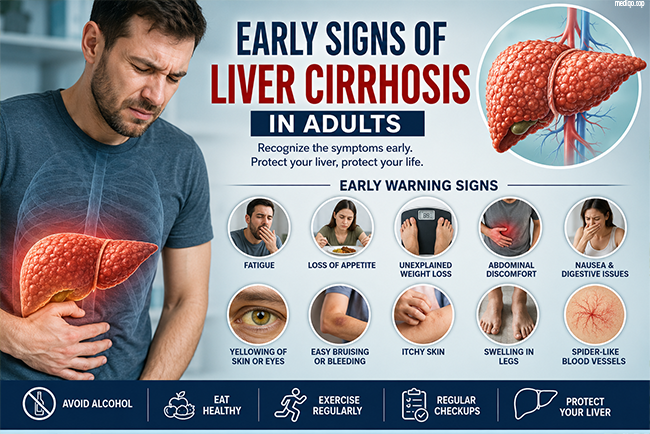
Read more >> Early Signs of Liver Cirrhosis in Adults: What You Need to Know
Several factors increase the risk of developing gallstones, including:
Although these factors raise the risk, gallstones can develop in people without any obvious risk factors.
Doctors begin with a physical examination and a review of symptoms. Blood tests may detect infection or liver problems. An abdominal ultrasound is usually the first imaging test because it can identify most gallstones quickly. In some cases, CT scans, MRI, or specialized bile duct imaging may be recommended for a more detailed evaluation.
Treatment depends on the severity of symptoms and the presence of complications.
Pain-relieving medications can help control discomfort during a mild attack. If infection or inflammation develops, antibiotics may be necessary. Recurrent gallbladder attacks often require surgical removal of the gallbladder, a procedure called cholecystectomy. This surgery is commonly performed using minimally invasive laparoscopic techniques and usually has a quick recovery time.
If a stone blocks the common bile duct, doctors may remove it using an endoscopic procedure before surgery.
Go to the emergency department immediately if you experience:
Prompt treatment reduces the risk of infection, pancreatitis, and permanent damage to the bile ducts.
While not every case is preventable, healthy lifestyle habits may reduce the risk of developing gallstones.
Maintain a healthy body weight, avoid rapid crash diets, exercise regularly, eat plenty of fruits, vegetables, and whole grains, and limit foods high in saturated fat. Staying hydrated and managing diabetes or high cholesterol can also support gallbladder health.
The symptoms of a gallbladder stone attack often begin with sudden upper abdominal pain, but they may also include nausea, vomiting, shoulder pain, and digestive discomfort. Fever, jaundice, or persistent pain can indicate a medical emergency that requires immediate attention. Early diagnosis and appropriate treatment help prevent serious complications and improve long-term health. If you experience repeated gallbladder attacks, consult a healthcare professional to discuss the most suitable treatment options.