Physical Address
304 North Cardinal St.
Dorchester Center, MA 02124
Physical Address
304 North Cardinal St.
Dorchester Center, MA 02124

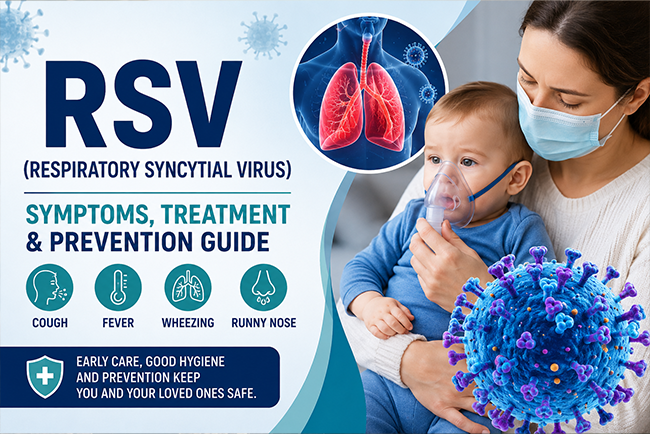
RSV (Respiratory Syncytial Virus) is a highly contagious virus that affects the respiratory system, including the nose, throat, and lungs. It is one of the most common causes of respiratory infections in infants and young children. However, RSV can also cause serious illness in older adults, people with weakened immune systems, and those with chronic heart or lung diseases.
Most RSV infections resemble the common cold and resolve within one to two weeks. In severe cases, RSV can lead to bronchiolitis, pneumonia, or hospitalization. Understanding the symptoms, treatment, and prevention of RSV can help reduce the risk of complications.
The symptoms of RSV (Respiratory Syncytial Virus) usually appear 4 to 6 days after exposure. Common symptoms include:
Infants may show different symptoms such as irritability, poor feeding, decreased activity, or pauses in breathing (apnea). Older adults may experience worsening of existing heart or lung conditions.
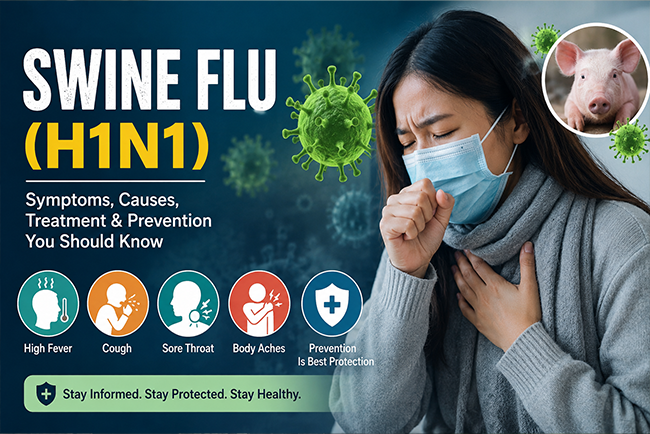
Read More>>Swine Flu (H1N1): Symptoms, Causes, Treatment, and Prevention
RSV spreads easily through respiratory droplets when an infected person coughs or sneezes. It can also spread by touching contaminated surfaces and then touching the eyes, nose, or mouth.
People at higher risk include:
Crowded environments such as schools, daycare centers, and nursing homes increase the risk of RSV transmission.
Healthcare providers often diagnose RSV (Respiratory Syncytial Virus) based on symptoms and a physical examination. If needed, laboratory tests such as nasal swab PCR or rapid antigen tests can confirm the infection.
In severe cases, doctors may also recommend:
Early diagnosis is especially important for high-risk patients.
There is no specific antiviral treatment for most RSV infections. Treatment mainly focuses on relieving symptoms and supporting recovery.
Common treatments include:
Severe cases may require hospitalization for:
Antibiotics do not treat RSV because it is caused by a virus, not bacteria.
Read More>>Mad Max: The Wasteland – Everything We Know About George Miller’s Upcoming Post-Apocalyptic Epic
Preventing RSV (Respiratory Syncytial Virus) involves reducing exposure and maintaining good hygiene.
Follow these preventive measures:
Some high-risk infants and older adults may qualify for RSV preventive antibodies or vaccines based on current medical guidelines.
Seek immediate medical attention if you or your child experiences:
Prompt treatment can prevent serious complications.
RSV (Respiratory Syncytial Virus) is a common respiratory infection that usually causes mild cold-like symptoms but can become serious for infants, older adults, and people with underlying health conditions. Early recognition, supportive care, and proper hygiene are the best ways to manage and prevent RSV. If symptoms become severe or breathing problems develop, seek medical care immediately. Staying informed and taking preventive measures can significantly reduce the impact of RSV on you and your family.