Physical Address
304 North Cardinal St.
Dorchester Center, MA 02124
Physical Address
304 North Cardinal St.
Dorchester Center, MA 02124

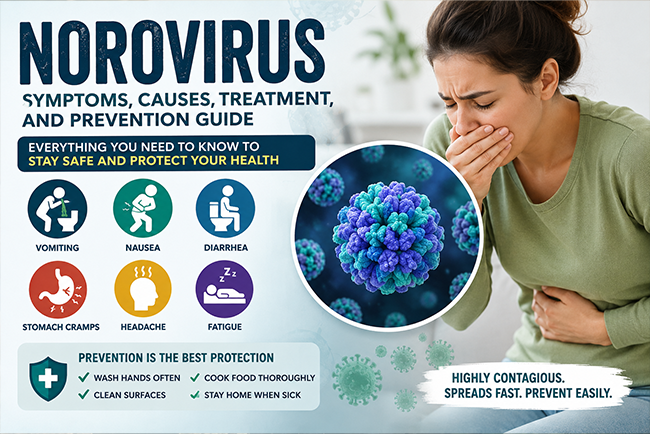
Norovirus is one of the most common causes of viral gastroenteritis worldwide. It spreads quickly and often leads to outbreaks in schools, cruise ships, restaurants, nursing homes, and healthcare facilities. Although the illness is usually short-lived, it can cause severe dehydration, especially in young children, older adults, and people with weakened immune systems.
The good news is that most people recover within a few days with proper hydration and rest. Understanding Norovirus symptoms, causes, treatment, and prevention can help reduce the risk of infection and stop its spread.
| Feature | Details |
|---|---|
| Disease Name | Norovirus |
| Type | Viral Gastroenteritis |
| Main Symptoms | Vomiting, diarrhea, nausea, stomach cramps |
| Transmission | Contaminated food, water, surfaces, person-to-person |
| Incubation Period | 12–48 hours |
| Recovery Time | 1–3 days |
| Prevention | Handwashing, food safety, surface disinfection |
Norovirus is a highly contagious virus that causes inflammation of the stomach and intestines. It is often called the “stomach flu,” although it is not related to the influenza virus.
A person can become infected after consuming contaminated food or water, touching infected surfaces, or having close contact with someone carrying the virus. Because only a small number of virus particles are needed to cause illness, outbreaks can spread rapidly.
Read More>>Cleopatra (Upcoming Movie): Everything We Know About Gal Gadot’s Epic
Symptoms usually appear 12 to 48 hours after exposure. Most cases develop suddenly and may include:
The biggest concern is dehydration caused by excessive vomiting and diarrhea. Seek medical care if symptoms become severe or dehydration develops.
Norovirus spreads through the fecal-oral route. Common causes include:
Even after symptoms disappear, infected individuals may continue spreading the virus for several days.
Doctors usually diagnose Norovirus based on symptoms and recent exposure history. During outbreaks or severe cases, laboratory tests on stool samples may confirm the infection.
Most healthy individuals do not require specialized testing because symptoms are generally mild and short-lasting.
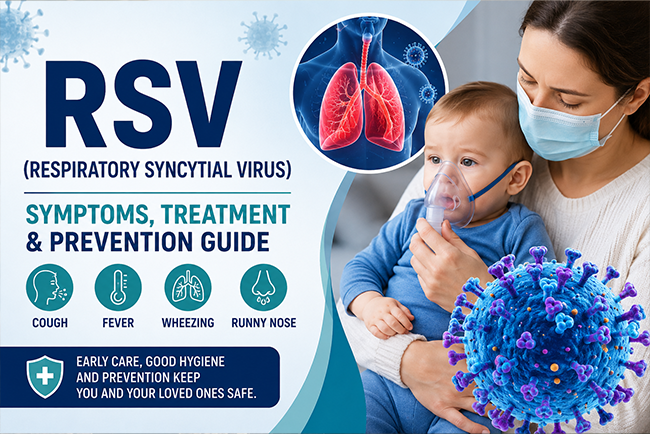
Read More>>RSV (Respiratory Syncytial Virus)
There is no specific antiviral medication for Norovirus. Treatment mainly focuses on preventing dehydration and relieving symptoms.
Recommended treatments include:
Children, older adults, and people with chronic illnesses may need medical attention if dehydration becomes severe.
Prevention is the best defense against Norovirus.
Follow these simple tips:
Good hygiene significantly reduces the risk of infection.
Anyone can get Norovirus, but certain groups have a higher risk of severe illness:
Extra precautions are essential in crowded environments where outbreaks occur frequently.
Norovirus is a highly contagious virus that spreads rapidly through contaminated food, water, surfaces, and close personal contact. Fortunately, most people recover within a few days with proper hydration and supportive care. Practicing good hand hygiene, preparing food safely, and disinfecting contaminated surfaces remain the most effective ways to prevent infection. By recognizing Norovirus symptoms early and taking preventive measures, you can protect yourself, your family, and your community from this common stomach virus.