Physical Address
304 North Cardinal St.
Dorchester Center, MA 02124
Physical Address
304 North Cardinal St.
Dorchester Center, MA 02124
Shortness of breath at rest is a condition where a person feels difficulty breathing even without physical activity. Normally, breathing becomes faster after exercise or heavy work. However, experiencing breathlessness while sitting, lying down, or relaxing can indicate an underlying health issue.
The medical term for shortness of breath is dyspnea. It may feel like not getting enough air, chest tightness, rapid breathing, or difficulty taking deep breaths. Occasional breathing discomfort can happen due to temporary factors, but frequent or sudden symptoms should be evaluated by a healthcare professional.
Several medical conditions can cause breathing difficulty without physical effort. The cause may involve the lungs, heart, blood circulation, or other body systems.
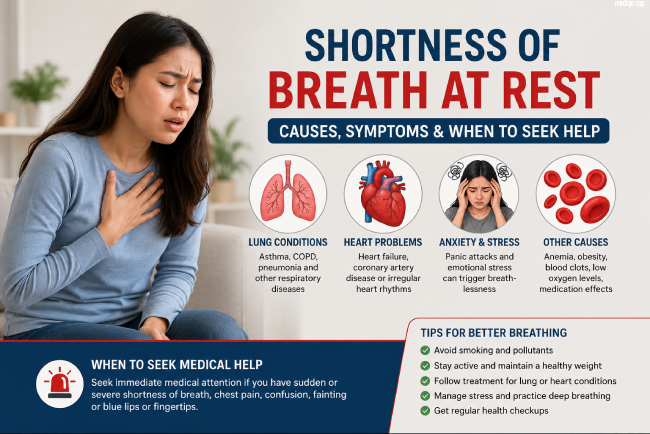
Lung conditions are among the most common causes of breathlessness at rest. Diseases that affect airways or lung function can reduce oxygen supply and make breathing harder.
Asthma can cause airway narrowing, inflammation, and difficulty moving air in and out of the lungs. Some people experience asthma symptoms even without exercise, especially during allergic reactions or exposure to triggers.
Chronic obstructive pulmonary disease (COPD) can also lead to constant breathlessness. COPD damages the airways and makes it harder for oxygen to enter the bloodstream.
Other lung-related causes include pneumonia, lung infections, pulmonary fibrosis, and fluid buildup around the lungs. These conditions may cause coughing, chest discomfort, fever, or fatigue along with breathing problems.
The heart plays an important role in delivering oxygen-rich blood throughout the body. When the heart cannot pump efficiently, fluid may build up in the lungs and create breathing difficulties.
Heart failure is a major cause of shortness of breath at rest. People with heart failure may notice worsening symptoms while lying down or during sleep. Other signs may include swollen legs, tiredness, and rapid heartbeat.
Coronary artery disease and irregular heart rhythms can also affect oxygen delivery. In some cases, shortness of breath may appear before noticeable chest pain.
Emotional stress and anxiety can strongly affect breathing patterns. During anxiety episodes, the body may enter a “fight or flight” response, causing faster breathing and a feeling of air hunger.
People with panic attacks often describe sudden shortness of breath, chest tightness, dizziness, and fear. Although anxiety-related breathing problems are not caused by lung damage, they can feel intense and frightening.
Relaxation techniques, breathing exercises, and professional mental health support may help manage anxiety-related symptoms.
Shortness of breath can develop from various other health conditions. Some common causes include:
Identifying the exact cause is important because treatment depends on the underlying condition.
Shortness of breath may appear alone or with other warning signs. Common associated symptoms include:
These symptoms can provide important clues about the seriousness of the condition.
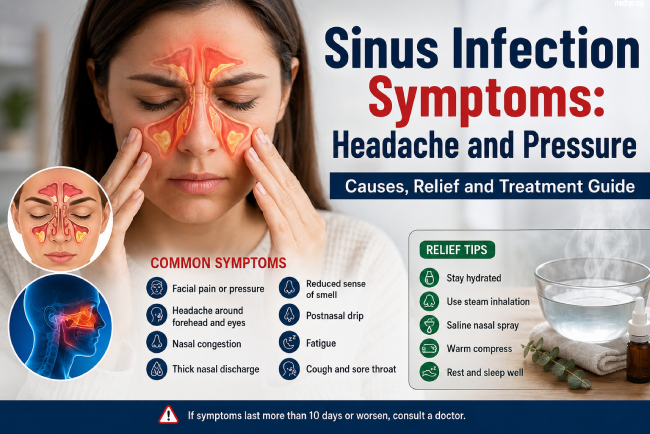
Read more >> Sinus Infection Symptoms: Headache and Pressure Relief Guide
Sudden or severe shortness of breath at rest should never be ignored. Emergency medical care may be needed if breathing difficulty appears suddenly, becomes severe, or occurs with chest pain, confusion, fainting, or blue-colored skin.
People with existing heart or lung conditions should contact their healthcare provider if their breathing symptoms become worse or occur more frequently.
A doctor may perform a physical examination, oxygen level measurement, chest imaging, blood tests, or heart tests to determine the cause.
Preventing shortness of breath depends on maintaining overall health and controlling existing medical conditions.
Helpful steps include:
Regular medical checkups can help detect problems early and reduce complications.
Shortness of breath at rest can have many causes, ranging from temporary stress-related issues to serious heart or lung diseases. Understanding the warning signs and seeking timely medical advice can help prevent serious health risks.
If breathing difficulty happens repeatedly or affects daily life, a medical evaluation is important to identify the cause and receive appropriate treatment.