Physical Address
304 North Cardinal St.
Dorchester Center, MA 02124
Physical Address
304 North Cardinal St.
Dorchester Center, MA 02124
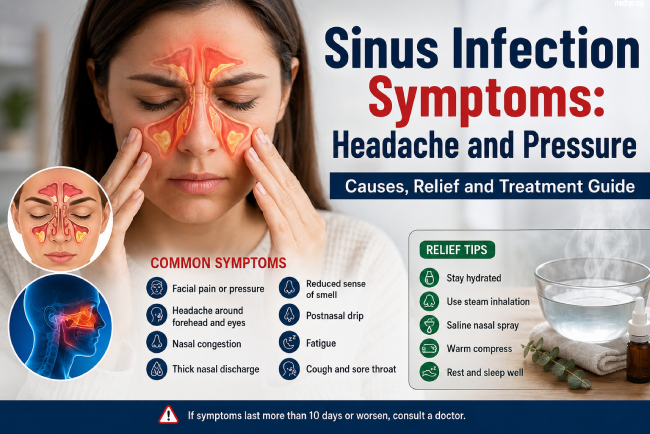
Sinus infections, also called sinusitis, are common conditions that affect millions of people worldwide. They occur when the tissues inside the sinus cavities become inflamed due to viruses, bacteria, allergies, or other irritants. One of the most uncomfortable symptoms is the combination of headache and pressure around the face.
Many people confuse sinus headaches with migraines because both conditions can cause pain and discomfort. However, sinus-related headaches usually appear with other symptoms such as nasal congestion, facial tenderness, and thick mucus.
A sinus infection can create several symptoms that affect breathing, sleep, and daily activities. The severity depends on the type and duration of the infection.
Common sinus infection symptoms include:
A person with sinusitis often feels pressure because swollen sinus tissues block normal mucus drainage. This trapped mucus increases pressure inside the sinus cavities and creates discomfort.
Sinuses are air-filled spaces located behind the forehead, cheeks, and nose. When these areas become inflamed, mucus cannot flow properly. The buildup creates pressure against surrounding tissues.
A sinus headache commonly causes:
The pain may become stronger in the morning because mucus collects during sleep. Changes in air pressure, such as during flights or weather changes, may also increase sinus discomfort.
Many people mistake migraines for sinus headaches. Understanding the difference can help with proper treatment.
Sinus headaches usually appear with signs of infection, such as:
Migraines may cause:
If headache occurs without nasal symptoms, it may be more related to migraine than sinus infection.
Several factors can trigger sinus inflammation and infection. The most common causes include:
Most sinus infections begin after a cold. Viruses can inflame sinus tissues and block mucus drainage.
Sometimes bacteria grow inside blocked sinuses and cause a more serious infection. Symptoms may last longer and become more intense.
Allergic reactions can cause swelling inside the nose and increase the risk of sinus problems.
Smoke, pollution, dust, and strong chemicals may irritate sinus passages and worsen symptoms.
Mild sinus infection symptoms often improve with supportive care. Several methods may reduce headache and pressure.
Helpful approaches include:
Warm fluids can help loosen mucus, while saline solutions may improve nasal drainage.
However, people should avoid overusing nasal decongestant sprays because they can cause rebound congestion.
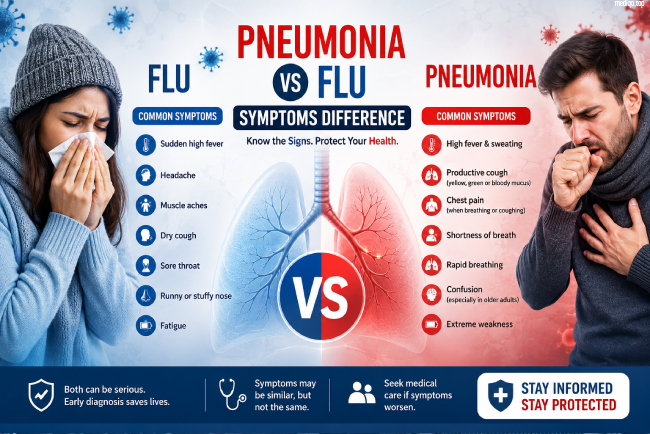
Read more >> Pneumonia vs Flu Symptoms Difference: How to Tell Them Apart
Treatment depends on the cause and severity of sinusitis. Doctors may recommend different options based on symptoms.
Possible treatments include:
Antibiotics do not treat viral sinus infections. A healthcare professional should determine whether bacterial infection is present before starting antibiotic treatment.
Most sinus infections improve within a short period. However, medical attention may be necessary if symptoms become severe or persistent.
Seek medical advice if you experience:
Early evaluation can help prevent complications and provide appropriate treatment.
Preventing sinus problems involves keeping nasal passages healthy and reducing exposure to irritants.
Useful prevention methods include:
Healthy habits can reduce sinus inflammation and lower the chance of repeated infections.
Sinus infection symptoms such as headache and facial pressure can significantly affect daily life. These symptoms usually occur because inflammation blocks normal sinus drainage and creates pressure inside the cavities.
Recognizing early symptoms, using proper home care, and seeking medical advice when needed can help manage sinus problems effectively. Persistent or severe symptoms should always be evaluated by a healthcare professional to identify the correct cause and treatment.