Physical Address
304 North Cardinal St.
Dorchester Center, MA 02124
Physical Address
304 North Cardinal St.
Dorchester Center, MA 02124

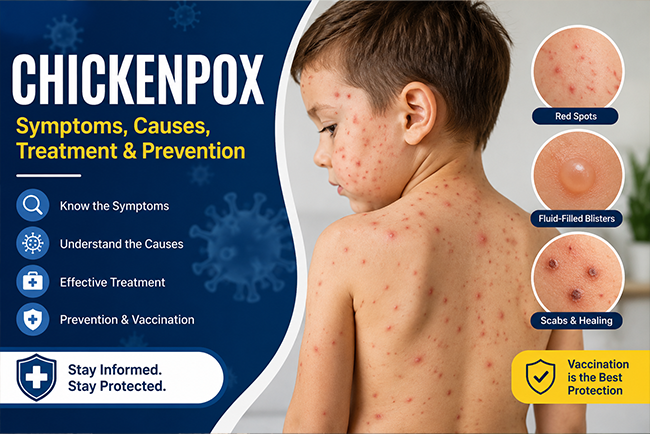
Chickenpox is a highly contagious viral infection caused by the varicella-zoster virus (VZV). Although it is most common in children, teenagers and adults can also develop chickenpox, often with more severe symptoms. Thanks to vaccination, the number of chickenpox cases has decreased significantly, but understanding this disease remains essential for protecting yourself and your family.
Chickenpox is an infectious disease that causes an itchy, blister-like rash, fever, tiredness, and loss of appetite. The virus spreads easily through respiratory droplets, coughing, sneezing, or direct contact with the fluid from chickenpox blisters.
Most healthy people recover completely within 7 to 10 days, but some individuals may experience serious complications.
Read More>>Rubella: Symptoms, Causes, Treatment, and Prevention Guide
The symptoms of chickenpox usually appear 10 to 21 days after exposure to the virus.
Common signs include:
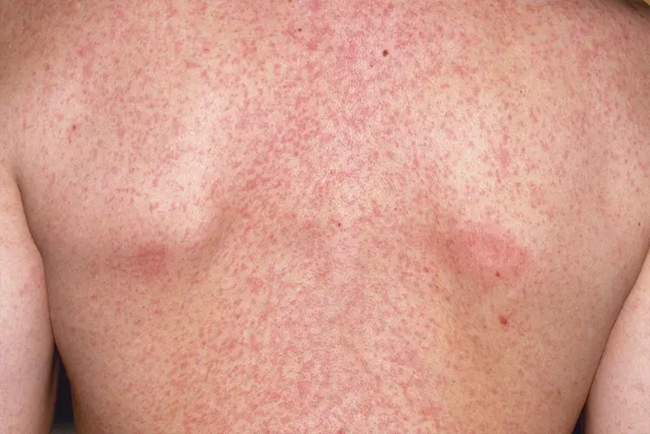
The rash typically progresses through three stages:
Chickenpox is caused by the varicella-zoster virus. The infection spreads rapidly among people who have not been vaccinated or previously infected.
Risk factors include:
Children under 12 years are more likely to contract chickenpox, although adults can also become infected.
Read More>>Spider-Man: Brand New Day Review – Tom Holland and Zendaya Lead an Emotional MCU Reset
There is no specific cure for chickenpox, but treatment focuses on relieving symptoms and preventing complications.
Recommended treatments include:
Doctors may prescribe antiviral medication, such as acyclovir, for adults, pregnant women, or individuals at high risk of severe illness.
Avoid scratching the blisters, as this can lead to bacterial skin infections and permanent scarring.
Although many cases are mild, chickenpox can sometimes cause serious health problems, including:
Complications are more common in infants, pregnant women, older adults, and people with weakened immune systems.
The chickenpox vaccine is the most effective way to prevent infection. Most children receive two doses during childhood, providing excellent protection.
Additional prevention tips include:
Vaccination not only reduces the risk of infection but also lowers the chances of severe disease if infection occurs.
Seek medical attention immediately if you or your child experiences:
Early medical evaluation is especially important for pregnant women, newborns, and individuals with weakened immune systems.
Chickenpox is a common but preventable viral infection. Recognizing the early symptoms, following proper treatment recommendations, and getting vaccinated are the best ways to reduce the risk of complications. If symptoms become severe or unusual, consult a healthcare professional promptly. Staying informed about chickenpox helps protect both individuals and the wider community.