Physical Address
304 North Cardinal St.
Dorchester Center, MA 02124
Physical Address
304 North Cardinal St.
Dorchester Center, MA 02124

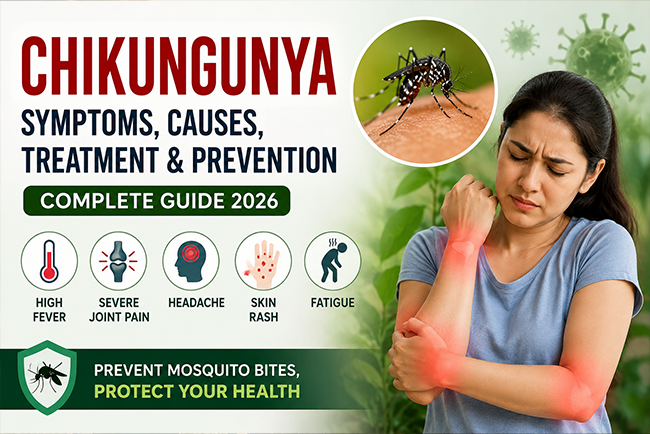
Chikungunya is a mosquito-borne viral disease caused by the chikungunya virus (CHIKV). Infected Aedes aegypti and Aedes albopictus mosquitoes spread the virus through their bites. The disease often causes sudden fever, severe joint pain, muscle aches, rash, and fatigue. Although most people recover within a few weeks, some experience joint pain for months.
Understanding chikungunya helps you recognize symptoms early and reduce the risk of infection.
The chikungunya virus spreads when an infected mosquito bites a person. Unlike the common cold or flu, chikungunya does not spread through casual contact, coughing, or sneezing.
Common risk factors include:
Eliminating standing water around your home reduces mosquito breeding and lowers infection risk.
Read More>>Devour (2026): Release Date, Cast, Plot
Symptoms usually appear 3 to 7 days after an infected mosquito bite.
The most common chikungunya symptoms include:
Joint pain often affects the wrists, ankles, fingers, and knees. While fever typically improves within a week, joint discomfort may last much longer.
Doctors diagnose chikungunya by reviewing symptoms, travel history, and possible mosquito exposure. They also confirm the infection with laboratory tests.
Diagnostic tests may include:
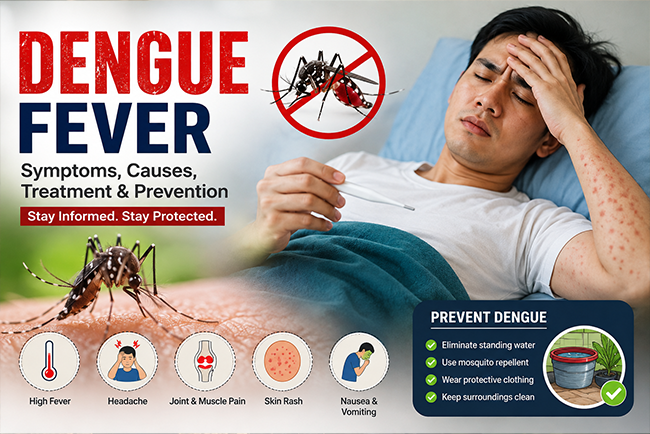
Early diagnosis helps doctors rule out similar illnesses such as dengue or Zika virus infection.
Read More>>Dengue Fever: Symptoms, Causes, Treatment, and Prevention Guide
There is no specific antiviral treatment for chikungunya. Treatment focuses on relieving symptoms and supporting recovery.
Doctors usually recommend:
Avoid taking aspirin or ibuprofen until your doctor rules out dengue because these medicines may increase bleeding risk in dengue patients.
Most people recover completely with proper care and hydration.
Prevention remains the best defense against chikungunya.
Follow these simple preventive measures:
Communities can also reduce outbreaks through mosquito control programs and public awareness campaigns.
Although chikungunya rarely becomes life-threatening, some people develop complications.
Higher-risk groups include:
Possible complications include:
Prompt medical attention reduces the risk of severe illness.
Seek medical care immediately if you experience:
Early evaluation ensures proper treatment and helps exclude other mosquito-borne diseases.
Chikungunya is a viral illness transmitted through infected mosquitoes. Early recognition of symptoms, supportive treatment, and effective mosquito control can reduce complications. Protect yourself by preventing mosquito bites, eliminating breeding sites, and seeking medical advice if symptoms appear after mosquito exposure.