Physical Address
304 North Cardinal St.
Dorchester Center, MA 02124
Physical Address
304 North Cardinal St.
Dorchester Center, MA 02124
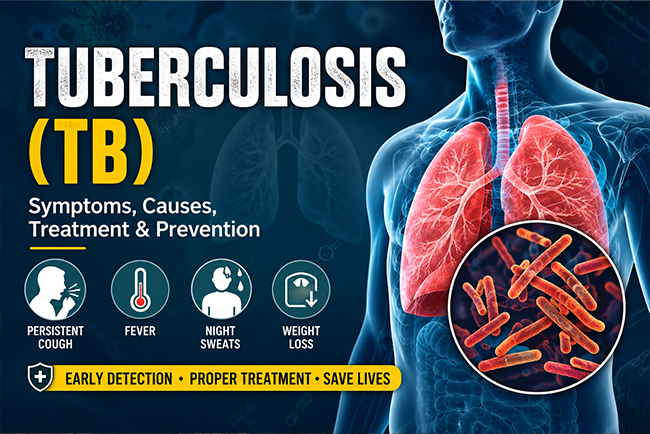
Tuberculosis (TB) is a serious infectious disease caused by Mycobacterium tuberculosis. It most often affects the lungs, but TB can also affect other organs, including the kidneys, brain, and spine. Although TB can be life-threatening without treatment, it is preventable and curable with appropriate medical care.
Tuberculosis spreads mainly through the air. When a person with infectious lung TB coughs, sneezes, speaks, or spits, bacteria can enter the air and be inhaled by others. However, TB infection does not always lead to active TB disease.
People with TB infection usually have no symptoms and generally cannot spread the bacteria. About 5–10% of people infected with TB eventually develop TB disease, although the risk is higher for people with weakened immune systems and certain health conditions.
Read More>>Never Stop Chasing: Release Date, Story, Cast, and Everything You Need to Know
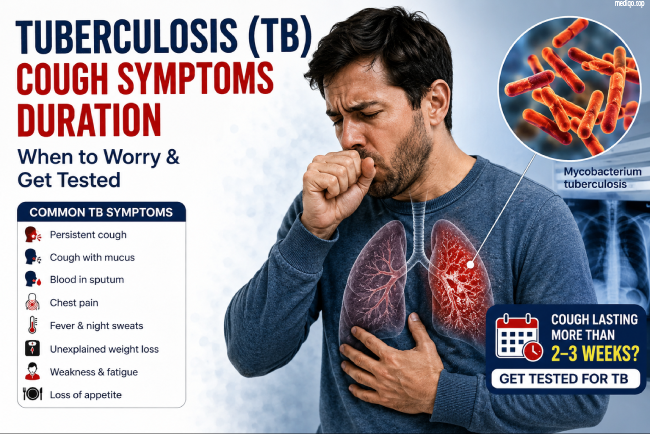
TB symptoms can develop slowly and may remain mild for months. Common tuberculosis symptoms include:
Symptoms can vary when TB affects parts of the body other than the lungs. Therefore, persistent symptoms should be evaluated by a healthcare professional.
Early diagnosis is important because untreated pulmonary TB can spread to other people. The World Health Organization recommends rapid diagnostic tests as initial tests for people who have signs or symptoms of TB.
Depending on the situation, healthcare professionals may use molecular tests, sputum testing, chest X-rays, or other investigations. Tests such as a tuberculin skin test or interferon-gamma release assay can help identify TB infection in people who are at increased risk.
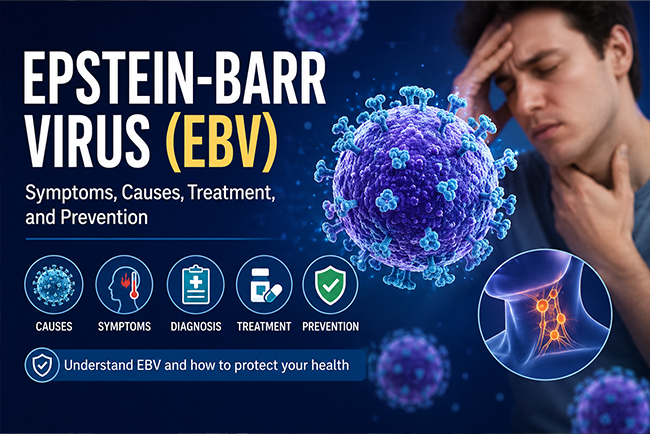
Read More>>Epstein-Barr Virus (EBV): Symptoms, Causes, Treatment, and Prevention
TB treatment involves specific antibiotics and must be completed exactly as prescribed. Standard treatment for drug-susceptible TB commonly uses several medicines over several months. Treatment duration can vary depending on the type of TB and the regimen recommended by a healthcare professional.
Stopping TB medicines early or taking them incorrectly can allow drug-resistant TB to develop. Drug-resistant TB requires specialized treatment and can be more difficult to manage.
People with TB infection who do not have active disease may also receive TB preventive treatment when appropriate. This can reduce the risk of developing active TB disease.
Several measures can help reduce tuberculosis transmission and disease:
A persistent cough, unexplained weight loss, fever, night sweats, chest pain, or coughing blood should not be ignored. If you have symptoms or have recently been exposed to TB, contact a healthcare professional for appropriate testing.
Tuberculosis is a serious but treatable infectious disease. Recognizing TB symptoms, getting tested early, following treatment correctly, and taking preventive measures can help protect both individuals and communities. If you suspect TB, seek professional medical advice rather than delaying evaluation or stopping treatment without guidance.