Physical Address
304 North Cardinal St.
Dorchester Center, MA 02124
Physical Address
304 North Cardinal St.
Dorchester Center, MA 02124


Tuberculosis (TB) is an infectious disease caused by Mycobacterium tuberculosis. It most often affects the lungs. A persistent cough is one of the most common symptoms of pulmonary TB. However, having a cough does not automatically mean that you have tuberculosis. Many other conditions can cause prolonged coughing.
A tuberculosis cough usually persists for several weeks and may continue for months without proper treatment. Traditionally, a cough lasting more than two to three weeks has been considered an important warning sign that requires evaluation for TB, particularly when there is no clear alternative explanation.
WHO guidance also notes that cough duration alone cannot diagnose tuberculosis. Some people with TB may have mild symptoms, while others may have no obvious symptoms at first. Therefore, persistent coughing should be assessed alongside other symptoms and risk factors.
A TB-related cough may be dry initially or produce mucus. As pulmonary disease progresses, some people may cough up blood. Other symptoms can develop gradually.
Common warning signs include:
These symptoms can also occur with pneumonia, bronchitis, asthma, smoking-related lung disease, and other conditions. Therefore, symptoms alone cannot confirm tuberculosis.
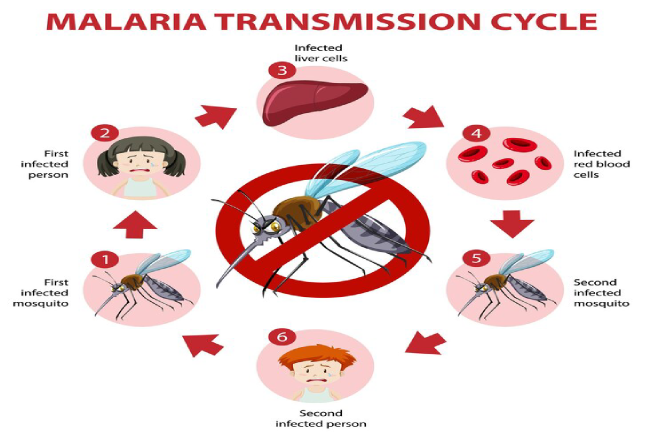
Read more >> Malaria Fever Cycle: Symptoms, Stages & Warning Signs
A cough that remains unexplained for two to three weeks or longer deserves medical evaluation. This is especially important if the cough occurs with fever, night sweats, weight loss, chest pain, or blood in the sputum.
You should not wait for the cough to become severe before seeking care. TB symptoms can remain mild for months, which can delay diagnosis and increase the possibility of transmission to others.
Doctors use several methods to determine whether tuberculosis is present. For suspected pulmonary TB, testing may involve a sputum sample, chest imaging, and rapid molecular testing. WHO recommends rapid diagnostic tests as initial tests for people who have symptoms suggestive of TB.
A cough alone cannot confirm TB. Proper testing is necessary because many respiratory illnesses can produce similar symptoms.
Effective TB treatment usually leads to improvement in classic symptoms during the first few weeks. However, cough and sputum can sometimes continue longer, especially when lung disease has caused significant damage. WHO notes that improvement is generally seen within the first one to two months of effective treatment in such cases.
Patients should take tuberculosis medicines exactly as prescribed and complete the recommended treatment. Stopping treatment early can contribute to treatment failure and drug-resistant TB.
The tuberculosis cough symptoms duration is an important clue, but it is not a diagnosis. A cough lasting more than two to three weeks, particularly when accompanied by night sweats, fever, weight loss, chest pain, or blood in sputum, should be evaluated by a healthcare professional. Early diagnosis and appropriate treatment can help people recover and reduce the spread of TB.
Medical disclaimer: This article is for general education and does not replace professional medical advice. Anyone with a persistent or concerning cough should consult a qualified healthcare professional.