Physical Address
304 North Cardinal St.
Dorchester Center, MA 02124
Physical Address
304 North Cardinal St.
Dorchester Center, MA 02124

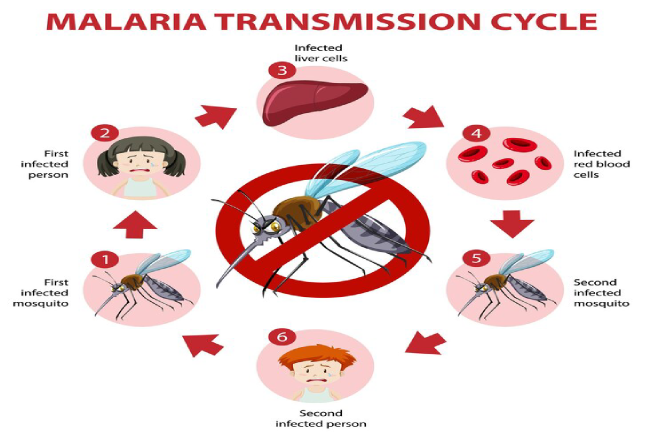
Malaria is a serious mosquito-borne disease caused by Plasmodium parasites. It can cause repeated episodes of fever, chills, sweating, headache, and weakness. Understanding the malaria fever cycle symptoms can help people recognize the illness early and seek medical care quickly.
The malaria fever cycle refers to the recurring pattern of symptoms that can occur as malaria parasites multiply inside red blood cells. When infected red blood cells rupture, they release parasites and inflammatory substances into the bloodstream. This process can trigger an episode of fever and chills.
The timing of these episodes depends on the Plasmodium species. Some infections may produce fever every 48 hours, while others may have a less predictable pattern. Therefore, a person should not assume that malaria is absent simply because fever does not follow a regular schedule.
A typical malaria fever episode may progress through several stages.
The episode may begin with sudden chills or shivering. A person can feel extremely cold even when their body temperature is rising. Headache, nausea, and general discomfort may also occur.
This stage can last from several minutes to an hour or longer. The intensity varies between individuals.
After the chills, body temperature can rise significantly. The person may develop a high fever, headache, rapid heartbeat, muscle aches, and weakness.
Some people experience nausea or vomiting during this stage. The skin may feel hot, and discomfort can become intense.
As the fever decreases, heavy sweating may occur. The person may feel tired, weak, or temporarily relieved after sweating.
This cycle can repeat if the infection remains untreated. However, not everyone experiences the classic cold-hot-sweating pattern.
The most common malaria symptoms include:
Symptoms often begin about 7–30 days after an infective mosquito bite, depending on the parasite species. Some malaria parasites can remain dormant in the liver and cause symptoms much later.
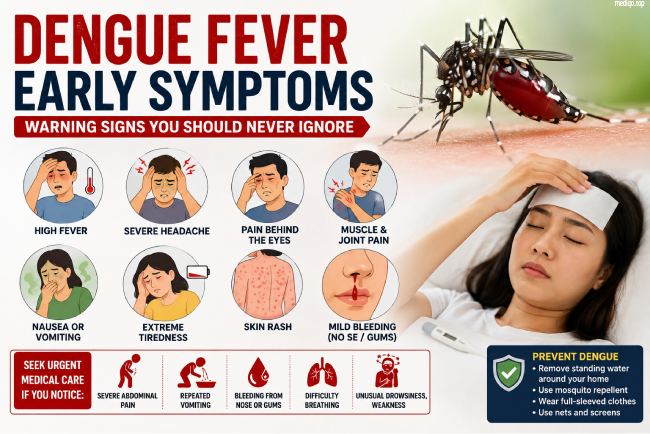
Read more >> Dengue Fever Early Symptoms: 8 Warning Signs
The repeating fever pattern is linked to the parasite’s life cycle inside red blood cells. Parasites multiply within these cells and eventually cause infected cells to rupture. This releases new parasites that infect other red blood cells.
The synchronized rupture of many infected cells can trigger another episode of fever and chills. This explains why some malaria infections can appear to follow a recurring fever pattern.
However, the cycle can vary. Plasmodium falciparum, for example, often causes irregular fever rather than a predictable 48-hour pattern.
Anyone with fever after possible exposure to malaria should seek medical evaluation promptly, especially after travel or residence in a malaria-risk area.
Malaria can become severe quickly. Emergency warning signs may include confusion, seizures, difficulty breathing, severe weakness, repeated vomiting, jaundice, abnormal bleeding, or loss of consciousness.
Pregnant people, young children, older adults, and people with weakened immune systems can face a higher risk of severe disease.
Doctors usually confirm malaria through blood testing. Microscopic examination of blood smears and rapid diagnostic tests can detect malaria parasites or parasite proteins.
Because symptoms can resemble dengue, influenza, typhoid fever, and other infections, fever alone cannot confirm malaria. Proper testing is important before treatment decisions are made.
Preventing mosquito bites is an important part of malaria prevention. Use insect repellent, wear long sleeves and trousers, sleep under insecticide-treated bed nets, and reduce mosquito exposure when mosquitoes are active.
People traveling to malaria-risk regions may also need preventive medicines. A healthcare professional can recommend an appropriate option based on the destination and individual circumstances.
Understanding the malaria fever cycle symptoms can make it easier to recognize potential malaria. Chills, high fever, sweating, headache, and weakness may occur in repeating episodes, but the pattern is not always predictable. Because untreated malaria can become life-threatening, suspected infections should be tested and treated promptly by qualified healthcare professionals.