Physical Address
304 North Cardinal St.
Dorchester Center, MA 02124
Physical Address
304 North Cardinal St.
Dorchester Center, MA 02124

Dengue fever is a mosquito-borne viral infection that can become serious if warning signs are missed. The disease is common in tropical and subtropical regions, including Bangladesh. Recognizing dengue fever early symptoms can help patients seek medical care at the right time and reduce the risk of severe complications.
Dengue symptoms usually begin several days after an infected mosquito bites a person. Some people may have mild symptoms or no symptoms at all. When symptoms appear, they often start suddenly.
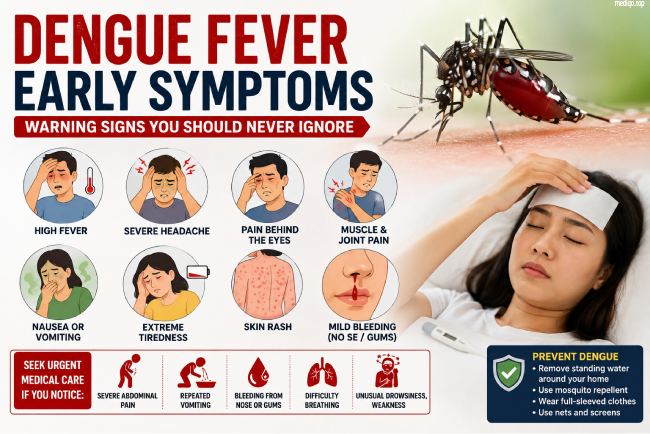
The most common early symptoms include:
These symptoms can resemble flu or other viral infections. Therefore, symptoms alone cannot confirm dengue. A healthcare professional may recommend blood tests based on the person’s symptoms, illness duration, and local dengue activity.
One of the most important facts about dengue is that a person’s condition can worsen around the time the fever starts to improve. This means feeling better does not always mean the danger has passed.
Seek urgent medical attention if warning signs appear, especially during the period after the fever decreases.
Important dengue warning signs include:
Severe dengue can cause serious bleeding, fluid leakage, organ problems, and shock. Prompt medical treatment is essential when these complications develop.
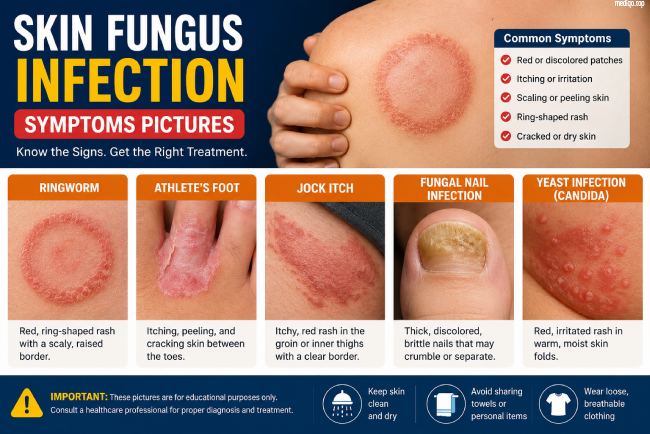
Read more >> Skin Fungus Infection Symptoms Pictures: Key Signs
If you develop a sudden high fever with severe body aches, headache, or other typical symptoms, contact a healthcare professional. Do not rely on symptoms alone to determine whether you have dengue.
Rest and drink adequate fluids unless a healthcare professional has advised you to restrict fluids. Monitor your temperature and watch closely for warning signs.
For fever or pain, paracetamol (acetaminophen) is generally preferred when appropriate. Avoid aspirin and nonsteroidal anti-inflammatory drugs such as ibuprofen unless a healthcare professional specifically advises their use, because these medicines can increase bleeding risk.
Do not take antibiotics unless they have been prescribed for another confirmed bacterial infection. Antibiotics do not treat dengue because dengue is caused by a virus.
Preventing mosquito bites remains an important way to reduce dengue transmission. Use mosquito repellent, wear clothing that covers the arms and legs, and use window screens or mosquito nets when appropriate.
You should also remove standing water around your home. Water collected in containers, buckets, flowerpots, discarded tires, and other objects can provide breeding sites for mosquitoes.
Knowing the dengue fever early symptoms can help you respond quickly. Sudden high fever, severe headache, pain behind the eyes, body aches, nausea, weakness, and rash are common symptoms. However, severe abdominal pain, repeated vomiting, bleeding, breathing difficulty, extreme weakness, or changes in alertness require urgent medical evaluation.
If dengue is suspected, professional medical assessment is important. Early recognition and careful monitoring can help reduce the risk of severe complications.