Physical Address
304 North Cardinal St.
Dorchester Center, MA 02124
Physical Address
304 North Cardinal St.
Dorchester Center, MA 02124

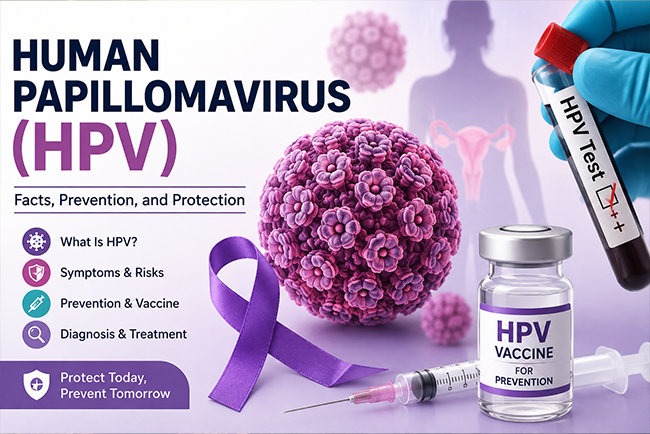
Human Papillomavirus (HPV) is one of the most common viral infections worldwide. It can affect people of all genders and is mainly transmitted through sexual contact. Most HPV infections cause no symptoms and clear naturally, but some types can persist and increase the risk of certain cancers.
Human Papillomavirus is a group of more than 200 related viruses. Some HPV types cause common or genital warts, while high-risk types can cause abnormal cell changes that may eventually lead to cancer.
HPV is strongly linked to cervical cancer. It can also contribute to cancers of the anus, penis, vulva, vagina, and throat. Persistent infection with high-risk HPV is the main cause of cervical cancer.
Read More>>Six: The Musical Live! — Release Date, Cast, Story and What to Expect
HPV spreads through close skin-to-skin contact, particularly during vaginal, anal, or oral sex. Because HPV can be present without visible signs, a person may transmit the virus without knowing they have an infection.
Condoms can lower the risk of HPV transmission, although they cannot provide complete protection because HPV may affect areas that condoms do not cover.
Most people with HPV have no symptoms. In many cases, the immune system controls the infection within one or two years.
Some HPV types can cause genital warts. These may appear as small bumps around the genital or anal area and can sometimes cause itching, discomfort, or bleeding.
High-risk HPV infections usually do not cause noticeable symptoms. However, persistent infection can cause abnormal cervical cells. Regular cervical screening is therefore important for people who have a cervix.
Yes. Persistent infection with certain high-risk HPV types can cause cancer. Almost all cervical cancer cases are linked to HPV infection. HPV is also associated with several other cancers, including anal, penile, vulvar, vaginal, and some throat cancers.
The good news is that HPV-related cancer is largely preventable. HPV vaccination and appropriate cervical screening can significantly reduce the risk.
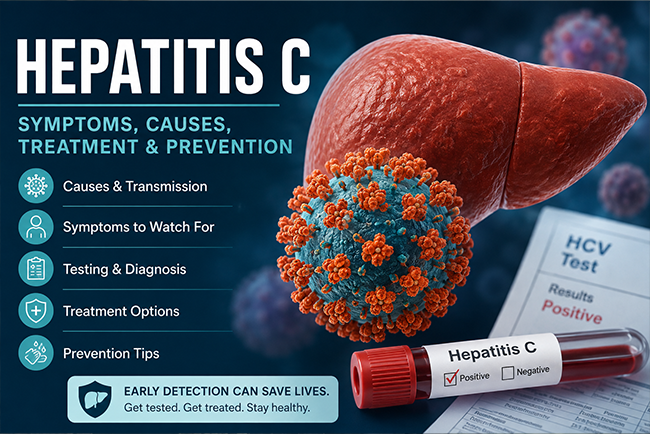
Read More>>Hepatitis C: Symptoms, Causes, Testing, Treatment, and Prevention
The HPV vaccine is one of the most effective ways to prevent HPV infection and HPV-related cancers. WHO recommends HPV vaccination as a priority for girls aged 9–14, before sexual activity begins. Depending on age, health status, and national recommendations, one or more doses may be advised.
Other prevention strategies include:
Importantly, vaccination does not replace cervical screening because HPV vaccines do not protect against every high-risk HPV type.
There is currently no medicine that directly eliminates an HPV infection. Most infections clear naturally. However, healthcare professionals can treat conditions caused by HPV, such as genital warts and precancerous cervical changes.
For people with a cervix, HPV testing and cervical screening can identify high-risk infections or abnormal cells before cancer develops. Early detection and treatment of precancerous changes can prevent cervical cancer.
Talk with a healthcare professional if you notice genital warts, unusual bleeding, persistent symptoms, or an abnormal screening result. Regular screening is especially important because HPV-related precancerous changes often cause no symptoms.
Human Papillomavirus (HPV) is common, and most infections do not cause serious problems. However, persistent high-risk HPV can lead to cervical cancer and other cancers. HPV vaccination, safer sexual practices, and regular cervical screening are key steps for prevention. If you have concerns about HPV, speak with a qualified healthcare professional for personalized advice.
This article is for general health information and does not replace professional medical advice.