Physical Address
304 North Cardinal St.
Dorchester Center, MA 02124
Physical Address
304 North Cardinal St.
Dorchester Center, MA 02124

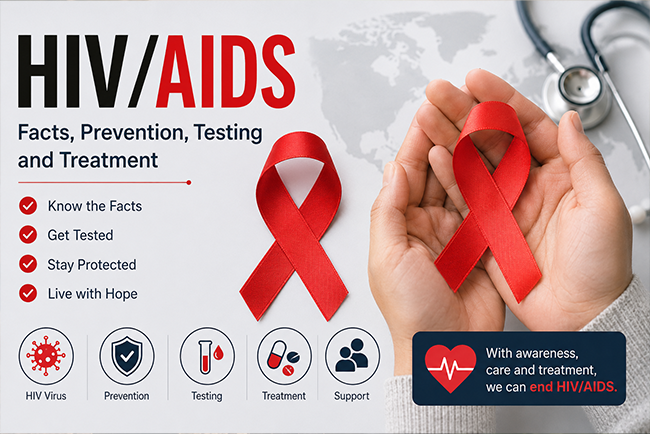
HIV/AIDS is a major global health concern, but advances in testing and treatment have transformed HIV into a manageable chronic condition. Understanding HIV/AIDS, how it spreads, its symptoms, and available prevention methods can help people protect their health and reduce transmission.
HIV stands for human immunodeficiency virus. It attacks CD4 cells, which are important parts of the immune system. Without treatment, HIV can gradually weaken the immune system and may progress to AIDS.
AIDS, or acquired immunodeficiency syndrome, is the most advanced stage of HIV infection. However, effective antiretroviral therapy (ART) can prevent many people with HIV from developing AIDS.
HIV can spread through certain infected body fluids, including blood, semen, vaginal fluids, and breast milk. Transmission can occur through sexual contact, sharing contaminated needles or injecting equipment, and from a mother to her child during pregnancy, delivery, or breastfeeding.
Importantly, HIV is not spread through ordinary casual contact. Hugging, shaking hands, sharing food, or kissing does not transmit HIV.
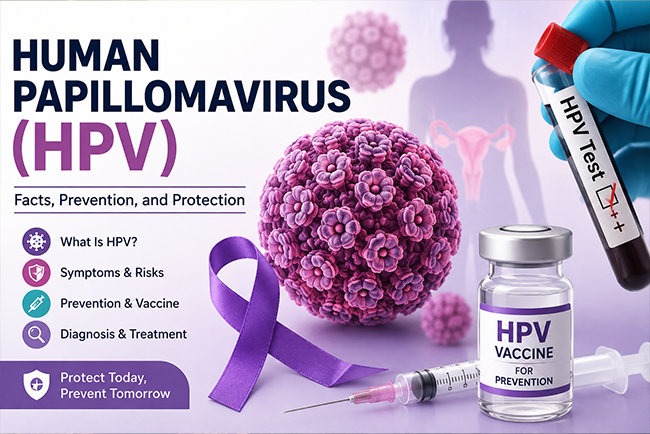
Read More>>Human Papillomavirus (HPV): Symptoms, Causes, Prevention and Treatment
Some people experience no symptoms soon after infection. Others may develop flu-like symptoms such as:
As HIV progresses without treatment, symptoms may include unexplained weight loss, persistent fever, diarrhea, and cough. Severe infections and certain cancers can occur when the immune system becomes seriously weakened.
Because symptoms alone cannot confirm HIV, testing is essential for anyone who may have been exposed.
HIV can be diagnosed using rapid diagnostic tests and HIV self-tests, although positive results require appropriate confirmation. Early diagnosis helps people start treatment sooner and reduces the risk of transmission.
If you think you have been exposed to HIV, speak with a qualified healthcare professional about testing and prevention options.
Several strategies can reduce the risk of HIV infection. These include using condoms correctly, getting tested for HIV and other sexually transmitted infections, and avoiding the sharing of needles or injecting equipment.
PrEP, or pre-exposure prophylaxis, uses antiretroviral medicine to help HIV-negative people prevent infection. PEP, or post-exposure prophylaxis, may help prevent infection when started promptly after a potential exposure. A healthcare professional can advise whether these options are appropriate.
Read More>>The Rivals of Amziah King: Release Date, Cast, Story and Everything to Know
There is currently no cure for HIV, but antiretroviral therapy (ART) can control the virus. WHO recommends ART for people diagnosed with HIV and advises starting treatment as soon as possible.
ART reduces the amount of HIV in the blood, allowing the immune system to remain stronger. People who maintain an undetectable viral load through effective treatment do not sexually transmit HIV.
With proper treatment and regular medical care, people living with HIV can lead long and healthy lives. Taking medication as prescribed, attending medical appointments, monitoring viral load, and maintaining healthy habits are important parts of long-term HIV care.
HIV/AIDS remains an important public health issue, but prevention, testing, and modern treatment have significantly improved outcomes. Learning the facts about HIV/AIDS can reduce misinformation, encourage early testing, and support healthier communities.
Medical disclaimer: This article provides general educational information and does not replace professional medical advice, diagnosis, or treatment.