Physical Address
304 North Cardinal St.
Dorchester Center, MA 02124
Physical Address
304 North Cardinal St.
Dorchester Center, MA 02124

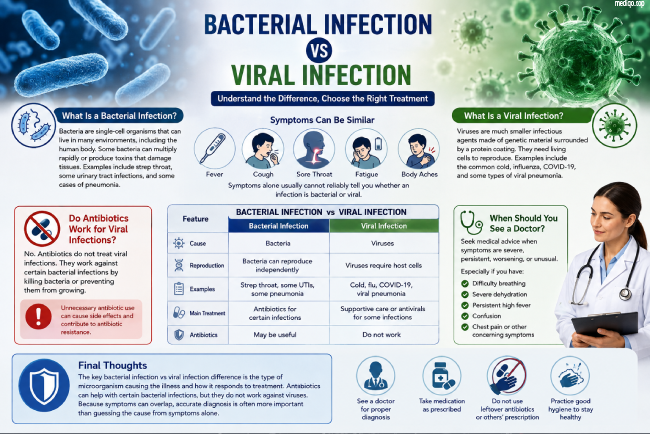
Bacterial and viral infections can cause similar symptoms, including fever, cough, sore throat, fatigue, and body aches. However, they are caused by different types of microorganisms and may require different treatments. Understanding the bacterial infection vs viral infection difference can help you understand why antibiotics are not appropriate for every illness.
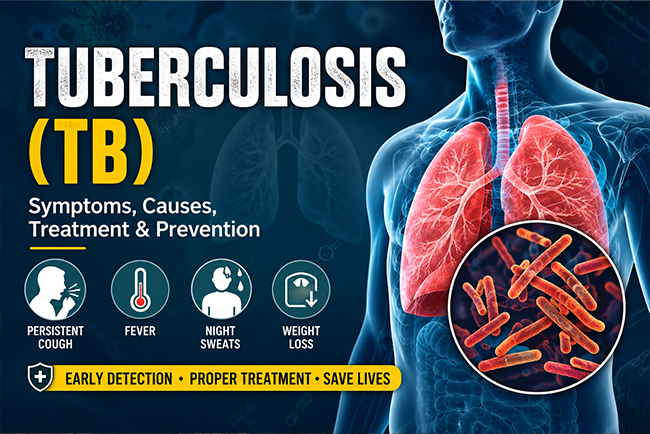
Bacteria are single-cell organisms that can live in many environments, including the human body. Most bacteria are harmless or beneficial, but some can cause disease. Certain bacteria can multiply rapidly or produce toxins that damage tissues. Examples of bacterial infections include strep throat, some urinary tract infections, and some cases of pneumonia.
Bacterial infections may sometimes improve without antibiotics. However, certain infections require antibiotic treatment. The choice of antibiotic depends on the bacteria involved and the location and severity of the infection.
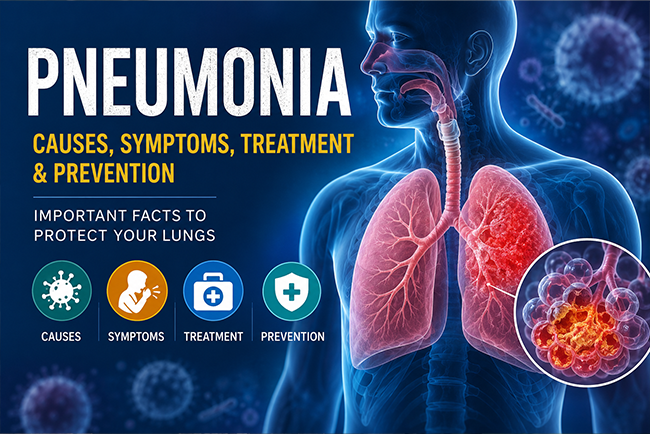
Viruses are much smaller infectious agents made of genetic material surrounded by a protein coating. Unlike bacteria, viruses need living cells to reproduce. They can cause illnesses such as the common cold, influenza, COVID-19, and some types of viral pneumonia.
Many viral infections improve as the immune system fights the virus. Treatment often focuses on relieving symptoms. However, antiviral medicines are available for some viral infections and may be recommended in specific situations.
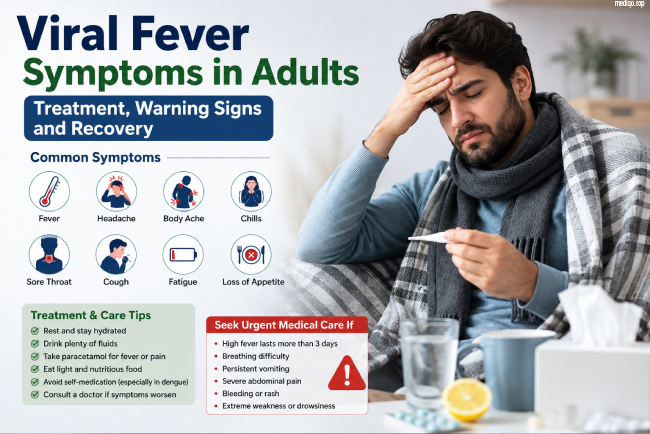
Read more >> Viral Fever Symptoms in Adults: Treatment & Warning Signs
The biggest difference is the type of germ responsible for the illness. Bacteria are living single-cell organisms, while viruses depend on host cells to reproduce.
Symptoms alone usually cannot reliably tell you whether an infection is bacterial or viral. Fever, coughing, congestion, fatigue, and sore throat can occur with both types of infection. A healthcare professional may use your symptoms, physical examination, medical history, and laboratory tests to determine the likely cause.
| Feature | Bacterial Infection | Viral Infection |
|---|---|---|
| Cause | Bacteria | Viruses |
| Reproduction | Bacteria can reproduce independently | Viruses require host cells |
| Examples | Strep throat, some UTIs | Cold, flu, COVID-19 |
| Main treatment | Antibiotics for certain infections | Supportive care or antivirals for some infections |
| Antibiotics | May be useful | Do not work |
No. Antibiotics do not treat viral infections. They work against certain bacterial infections by killing bacteria or preventing them from growing. Taking antibiotics for a cold, flu, or another viral infection will not make the virus disappear.
Unnecessary antibiotic use can also cause side effects and contribute to antibiotic resistance. Resistant bacteria can become harder to treat, making some infections more difficult to control.
Not always. A common misconception is that certain symptoms automatically indicate a bacterial infection. For example, yellow or green nasal mucus does not necessarily mean that antibiotics are needed. Mucus can change color during a viral cold.
Some conditions can also have either a viral or bacterial cause. Sinus infections, ear infections, bronchitis, and pneumonia may require professional evaluation before treatment is chosen.
Seek medical advice when symptoms are severe, persistent, worsening, or unusual. Medical evaluation is especially important when you have difficulty breathing, severe dehydration, persistent high fever, confusion, chest pain, or other concerning symptoms.
Do not start leftover antibiotics or use someone else’s prescription. If a healthcare professional determines that you have a bacterial infection requiring antibiotics, take the medicine exactly as directed.
The key bacterial infection vs viral infection difference is the type of microorganism causing the illness and how it responds to treatment. Antibiotics can help with certain bacterial infections, but they do not work against viruses. Because symptoms can overlap, accurate diagnosis is often more important than guessing the cause from symptoms alone.