Physical Address
304 North Cardinal St.
Dorchester Center, MA 02124
Physical Address
304 North Cardinal St.
Dorchester Center, MA 02124

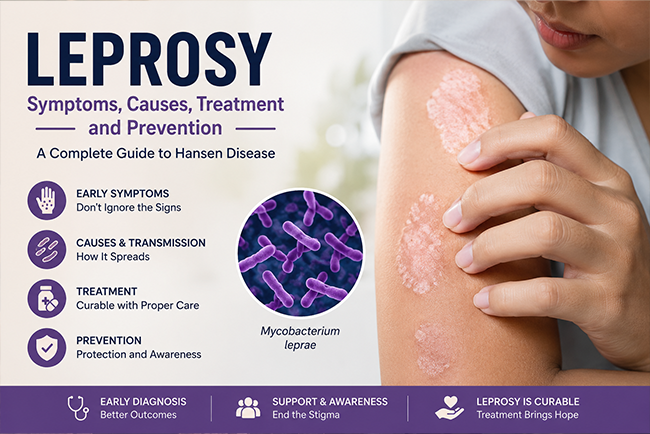
Leprosy, also known as Hansen disease, is a chronic infectious disease caused mainly by the bacterium Mycobacterium leprae. It primarily affects the skin and peripheral nerves, but it can also affect the eyes and the lining of the upper respiratory tract. Although leprosy can cause serious complications when untreated, it is curable with proper treatment.
Leprosy develops slowly because Mycobacterium leprae multiplies very slowly in the body. The incubation period can be several years, and symptoms may sometimes take 20 years or longer to appear. Early diagnosis is important because treatment can prevent permanent nerve damage and disability.
The symptoms of leprosy can vary from person to person. Common signs include:
A particularly important warning sign is a skin patch that has noticeably reduced sensation. Untreated nerve damage can increase the risk of injuries, infections, and permanent disability.
Read More>>The Marching Band: Release Date, Cast, Story, and Everything You Need to Know
Leprosy is not highly contagious. According to the World Health Organization (WHO), transmission is mainly associated with prolonged, close, and frequent exposure to droplets from the nose or mouth of a person with untreated disease. Casual contact, such as shaking hands, hugging, sharing meals, or sitting near someone, does not normally spread leprosy. Once effective treatment begins, a patient stops transmitting the disease.
Healthcare professionals usually diagnose leprosy based on clinical signs. Important diagnostic findings include a skin patch with definite loss of sensation, an enlarged peripheral nerve associated with sensory loss or muscle weakness, or detection of the bacteria in a skin smear. Additional laboratory testing may be needed when the diagnosis is uncertain.
Leprosy treatment uses multidrug therapy (MDT). WHO recommends a combination of medicines, including rifampicin, dapsone, and clofazimine. Treatment duration depends on the classification of the disease, with WHO recommending six months for paucibacillary disease and 12 months for multibacillary disease.
Patients should complete treatment exactly as prescribed by a qualified healthcare professional. Early treatment greatly reduces the risk of nerve damage and disability.
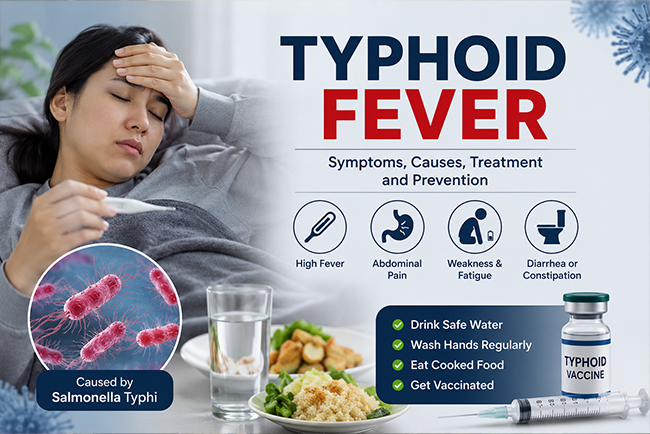
Read More>>Typhoid Fever: Symptoms, Causes, Treatment, and Prevention
Early detection and treatment are essential for controlling leprosy. People who have prolonged close contact with an untreated patient may need medical evaluation and appropriate preventive measures through local health services. Contact screening and preventive treatment can help reduce transmission in affected communities.
Leprosy is a curable disease, and early diagnosis can prevent many of its serious complications. Persistent numbness, unusual skin patches, or nerve-related weakness should be evaluated by a healthcare professional. Reducing stigma is also important because people affected by leprosy deserve timely treatment, dignity, and support.
Medical disclaimer: This article is for educational purposes only and should not replace professional medical diagnosis or treatment.