Physical Address
304 North Cardinal St.
Dorchester Center, MA 02124
Physical Address
304 North Cardinal St.
Dorchester Center, MA 02124

Infertility can be unexpected, especially when a woman is under 35 and generally feels healthy. Although fertility is often higher during the 20s and early 30s, problems can still affect conception. Understanding the infertility causes in women under 35 can help couples seek appropriate medical care sooner.
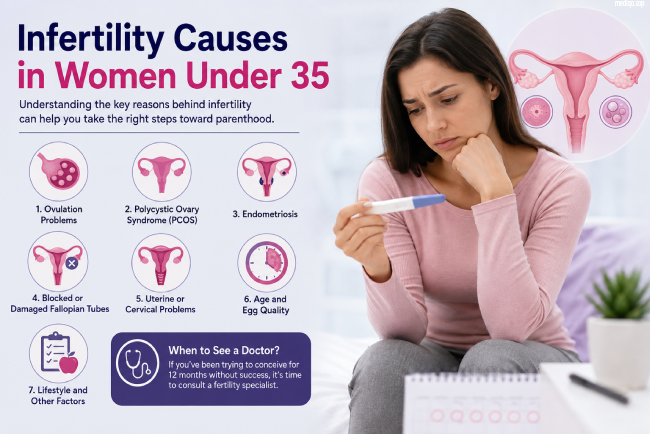
Infertility is usually defined as not becoming pregnant after 12 months of regular, unprotected sex. Several factors can contribute to difficulty conceiving. Some affect ovulation, while others involve the fallopian tubes, uterus, hormones, or reproductive organs.
Ovulation problems are among the most common causes of female infertility. A woman may ovulate irregularly or may not ovulate at all. Without regular ovulation, an egg may not be available for fertilization.
Hormonal conditions can disrupt ovulation. Polycystic ovary syndrome (PCOS) is one common example. Thyroid disorders, elevated prolactin levels, significant weight changes, and excessive exercise can also affect ovulation.
Irregular periods can sometimes provide an important warning sign.
PCOS can interfere with normal ovulation. Women with PCOS may experience irregular periods, acne, increased facial or body hair, or weight-related changes. However, symptoms can vary widely.
PCOS does not mean pregnancy is impossible. Many women with PCOS conceive naturally or with fertility treatment. A healthcare professional can evaluate ovulation and recommend suitable treatment.
Endometriosis occurs when tissue similar to the uterine lining grows outside the uterus. It can cause pelvic pain, painful periods, and discomfort during sex.
Endometriosis may affect fertility by causing inflammation, scar tissue, or changes around the ovaries and fallopian tubes. Some women have mild symptoms, while others experience significant pain or fertility problems.
The fallopian tubes provide a pathway for the egg and sperm to meet. Blocked or damaged tubes can prevent fertilization or stop a fertilized egg from reaching the uterus.
Pelvic infections, previous pelvic surgery, endometriosis, and certain sexually transmitted infections can increase the risk of tubal damage. Doctors may recommend specific tests to assess whether the tubes are open.
Problems involving the uterus or cervix can sometimes make conception more difficult. Fibroids, polyps, uterine abnormalities, or cervical conditions may affect fertility in some women.
However, having a fibroid or another uterine condition does not automatically cause infertility. The effect depends on its location, size, and other individual factors.
Women under 35 generally have a relatively favorable fertility outlook. Still, fertility varies between individuals. Egg number and quality can differ significantly among women of the same age.
Certain medical conditions, genetic factors, previous treatments, or ovarian surgery can affect ovarian reserve. A fertility specialist can assess these factors when appropriate.
Lifestyle factors may also influence reproductive health. Smoking, heavy alcohol use, extreme weight changes, poor nutrition, and certain medications can affect fertility.
Chronic stress may also affect menstrual patterns in some women, although it should not automatically be blamed for infertility. Importantly, infertility is not always caused by a woman’s lifestyle.
Read more >> Ovarian Cyst Pain Location: Symptoms You Should Know
Women under 35 are generally advised to seek a fertility evaluation after 12 months of regular, unprotected intercourse without pregnancy. However, earlier evaluation may be appropriate when periods are very irregular or absent, there is known endometriosis, previous pelvic surgery, recurrent pregnancy loss, or another suspected fertility problem.
Both partners should be evaluated because infertility can involve female, male, combined, or unexplained factors.
The infertility causes in women under 35 can range from ovulation disorders and PCOS to endometriosis, tubal problems, and uterine conditions. Many causes can be diagnosed and treated. If pregnancy has not occurred within the recommended timeframe, speaking with a qualified healthcare professional can help identify the underlying issue and guide the next steps.
Medical disclaimer: This article provides general health information and should not replace an individual evaluation or diagnosis from a qualified healthcare professional.