Physical Address
304 North Cardinal St.
Dorchester Center, MA 02124
Physical Address
304 North Cardinal St.
Dorchester Center, MA 02124

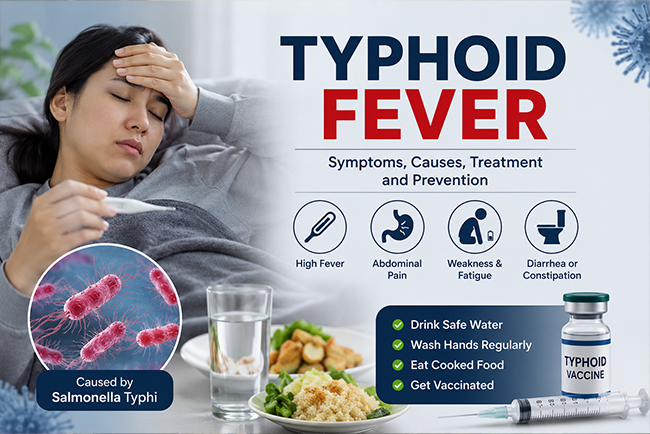
Typhoid fever is a serious bacterial infection caused by Salmonella Typhi. It usually spreads when people consume food or water contaminated with the bacteria. The infection can affect the intestinal tract and bloodstream and may become life-threatening without proper treatment.
Typhoid fever is an infectious disease caused by Salmonella Typhi. It is more common in areas where access to safe drinking water, sanitation, and food hygiene is limited. Children and people living in or traveling to areas where typhoid is common may have a higher risk of infection.
The bacteria can enter the body through contaminated food or drinking water. They may then multiply and spread into the bloodstream.
Read More>>Cholera: Symptoms, Causes, Treatment, and Prevention
Typhoid fever spreads mainly through the fecal-oral route. An infected person can release Salmonella Typhi in their stool. If proper hand hygiene or sanitation is lacking, the bacteria can contaminate food, water, or surfaces.
Common sources include:
Symptoms may develop several days to weeks after infection. Fever is the most common symptom and can become high and persistent.
Common typhoid fever symptoms include:
Severe untreated infections can cause serious complications, including gastrointestinal bleeding or intestinal perforation.
Read More>>Crawlers: Release Date, Cast, Story, and Everything We Know About the Upcoming Spider Horror Movie
Doctors may diagnose typhoid fever based on symptoms, medical history, and laboratory testing. A blood culture is the main diagnostic method used to identify Salmonella Typhi.
Because typhoid symptoms can resemble other infections, professional medical evaluation is important. People with persistent fever or severe illness should seek medical care promptly.
Antibiotics are the main treatment for typhoid fever. Early treatment can reduce the risk of serious complications and death. However, antibiotic resistance is making some typhoid infections more difficult to treat.
Patients should take antibiotics exactly as prescribed and complete the recommended course. Do not use leftover antibiotics or choose an antibiotic without medical advice.
Even after symptoms improve, some people may continue carrying the bacteria and can potentially spread the infection.
Prevention focuses on safe water, good sanitation, proper food handling, and vaccination.
To reduce your risk:
Seek medical attention if you develop a persistent fever, severe weakness, abdominal symptoms, or feel seriously unwell. Typhoid fever can become dangerous without appropriate treatment.
Typhoid fever is a preventable and treatable bacterial infection, but it should not be ignored. Recognizing typhoid fever symptoms, getting timely medical care, practicing good hygiene, drinking safe water, and following vaccination recommendations can help protect individuals and communities.
Medical disclaimer: This article is for educational purposes only and does not replace advice from a qualified healthcare professional.