Physical Address
304 North Cardinal St.
Dorchester Center, MA 02124
Physical Address
304 North Cardinal St.
Dorchester Center, MA 02124
Pregnancy is often a healthy and exciting journey, but some medical conditions can make it high risk. Knowing the pregnancy high risk disease symptoms can help pregnant women seek medical care early. Some warning signs may appear suddenly, while others can develop gradually.
A high-risk pregnancy does not always mean that serious complications will occur. However, it may require closer monitoring, additional tests, or specialist care. Early recognition of symptoms can protect both the mother and baby.
A high-risk pregnancy has a greater chance of complications for the mother, baby, or both. Conditions such as high blood pressure, diabetes, heart disease, kidney problems, or certain infections can increase pregnancy risks.
Age, previous pregnancy complications, multiple pregnancy, and certain lifestyle factors may also contribute. Your healthcare provider can determine your individual risk based on your medical history and pregnancy progress.
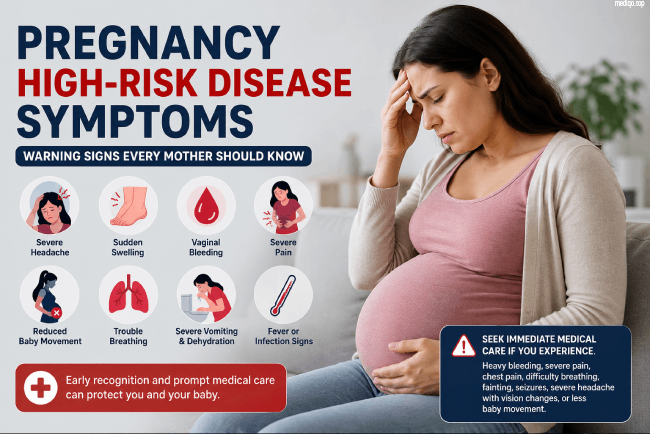
A severe headache that does not improve may be a warning sign of preeclampsia, especially after 20 weeks of pregnancy. Blurred vision, flashing lights, or other vision changes may occur at the same time.
Some swelling during pregnancy is common. However, sudden or significant swelling of the face, hands, or around the eyes can require medical assessment. It may occur with high blood pressure or preeclampsia.
Light spotting can have several causes, but heavy bleeding should never be ignored. Bleeding during pregnancy can sometimes indicate miscarriage, placenta-related problems, or other complications.
Contact your healthcare provider promptly if bleeding occurs. Seek emergency care when bleeding is heavy or accompanied by severe pain, dizziness, or weakness.
Persistent or intense abdominal pain can have different causes. Severe pain with bleeding may indicate an urgent pregnancy complication. Pain that starts suddenly or becomes worse should be evaluated quickly.
Later in pregnancy, changes in your baby’s usual movement pattern can be important. If your baby moves much less than usual, contact your maternity care team immediately for advice. Do not wait until the next scheduled appointment.
Sudden difficulty breathing, chest pain, fainting, or a very rapid heartbeat can indicate a serious medical problem. These symptoms require urgent medical attention.
Morning sickness is common, especially early in pregnancy. However, persistent vomiting may cause dehydration and nutritional problems. Seek medical advice if you cannot keep fluids down, urinate very little, or feel extremely weak.
A high fever, chills, painful urination, severe cough, or other infection symptoms should be discussed with a healthcare professional. Certain infections can create risks during pregnancy and may require treatment.
Some pregnancy symptoms should be treated as emergencies. Get immediate medical help for heavy vaginal bleeding, severe abdominal pain, chest pain, serious breathing difficulty, fainting, seizures, severe headache with vision changes, or significantly reduced fetal movement.
Do not rely on online information to diagnose a pregnancy complication. Symptoms can overlap between harmless and serious conditions, so professional assessment is important.
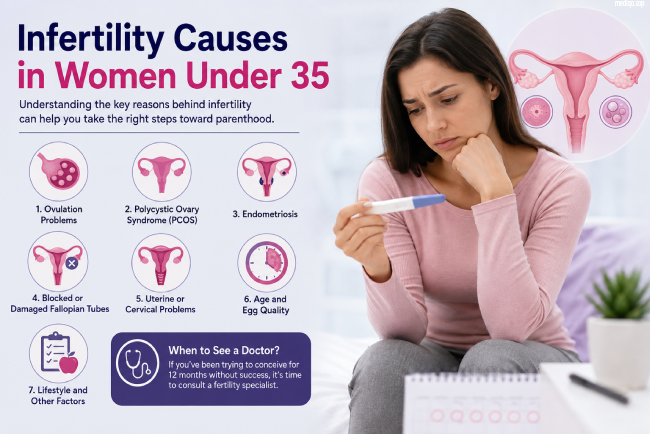
Read more >> Infertility Causes Under 35: 7 Key Reasons Explained
Regular prenatal appointments are essential. Your healthcare provider may monitor blood pressure, blood sugar, fetal growth, and other health indicators. Depending on your condition, additional blood tests, urine tests, ultrasounds, or specialist consultations may be recommended.
Take prescribed medicines exactly as directed. Maintain a balanced diet, attend prenatal visits, avoid smoking and alcohol, and follow your healthcare provider’s activity recommendations.
Recognizing pregnancy high risk disease symptoms can help women respond quickly when something feels wrong. Severe headache, sudden swelling, bleeding, severe pain, breathing problems, fever, and reduced fetal movement should not be ignored.
Every pregnancy is different. If you are concerned about any symptom, contact your obstetrician, midwife, or maternity care team. Prompt medical evaluation can help identify complications early and support a safer pregnancy.