Physical Address
304 North Cardinal St.
Dorchester Center, MA 02124
Physical Address
304 North Cardinal St.
Dorchester Center, MA 02124

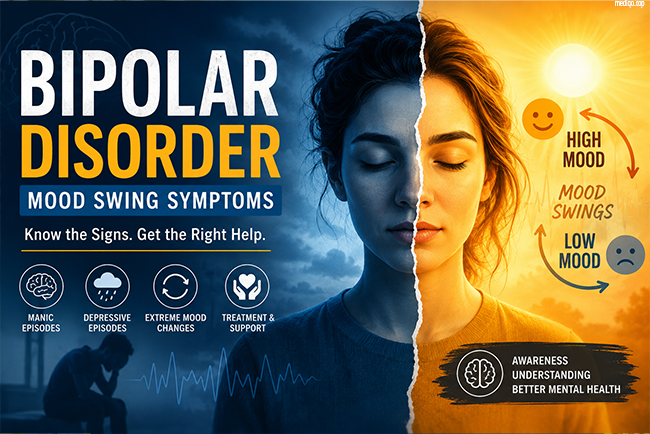
Bipolar disorder is a mental health condition that causes significant changes in mood, energy, activity levels, and behavior. These mood changes go beyond normal emotional ups and downs. They can affect work, relationships, education, and daily responsibilities. Recognizing bipolar disorder mood swing symptoms early can help people receive proper treatment and improve their quality of life.
The condition usually develops during late adolescence or early adulthood, although it can appear at any age. With the right care, many people with bipolar disorder lead healthy and productive lives.
Mood swings in bipolar disorder involve periods of emotional highs and lows. These episodes can last for days, weeks, or even months. The severity and duration vary from one person to another.
The two primary mood states include:
Some individuals may also experience mixed episodes, where symptoms of mania and depression occur at the same time.
A manic episode often brings noticeable changes in thinking, behavior, and energy. Common bipolar disorder mood swing symptoms during mania include:
In severe cases, mania may involve hallucinations or delusions, requiring immediate medical attention.
Depressive episodes often feel overwhelming and may interfere with daily functioning. Common symptoms include:
If suicidal thoughts occur, emergency mental health support should be sought immediately.
Many people notice subtle changes before a full mood episode develops. Identifying these warning signs can help prevent severe symptoms.
Early signs may include:
Keeping a daily mood journal can help identify personal triggers and recurring patterns.
Read more >> How to Manage Panic Attacks Naturally: Safe and Effective Tips
Experts believe bipolar disorder develops due to several interacting factors rather than a single cause.
Common risk factors include:
Although stress may trigger episodes, it does not directly cause bipolar disorder.
Read more >> Cocktail 2 Review (2026): A Fun Romantic Drama with Unexpected Twists
There is no single laboratory test for bipolar disorder. Healthcare professionals diagnose the condition through detailed medical interviews, symptom history, psychological evaluation, and sometimes physical examinations to rule out other medical conditions.
Accurate diagnosis is important because bipolar disorder can resemble depression, anxiety disorders, or attention-deficit disorders.
Bipolar disorder is a lifelong condition, but effective treatment helps manage symptoms and reduce future episodes.
Treatment commonly includes:
Following a personalized treatment plan significantly improves long-term outcomes.
Healthy lifestyle habits play an important role in symptom control.
Helpful strategies include:
Small daily habits can reduce the frequency and intensity of mood episodes.
Bipolar disorder mood swing symptoms can affect every aspect of life, but early recognition makes a significant difference. Understanding the signs of mania, depression, and mixed episodes allows individuals and families to seek timely medical care. Modern treatments, combined with healthy lifestyle choices and ongoing professional support, help many people successfully manage bipolar disorder and maintain emotional stability.
Disclaimer: This article is for educational purposes only and should not replace professional medical advice, diagnosis, or treatment. Always consult a qualified healthcare provider regarding mental health concerns.