Physical Address
304 North Cardinal St.
Dorchester Center, MA 02124
Physical Address
304 North Cardinal St.
Dorchester Center, MA 02124

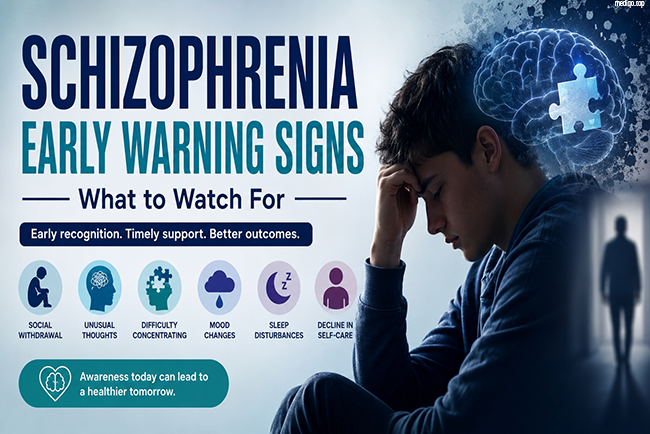
Schizophrenia is a serious mental health condition that affects how a person thinks, feels, and behaves. The disorder usually develops gradually rather than appearing suddenly. Recognizing schizophrenia early warning signs can help individuals and families seek medical advice sooner. Early intervention often improves long-term outcomes and supports better daily functioning.
The early phase of schizophrenia is sometimes called the prodromal stage. During this period, subtle changes may appear months or even years before more severe symptoms develop. These changes can affect school performance, work responsibilities, relationships, and emotional well-being.
One of the most common schizophrenia early warning signs is a noticeable withdrawal from social activities. A person who previously enjoyed spending time with friends or family may begin avoiding gatherings and conversations.
Signs of social withdrawal include:
Family members often notice that the person seems emotionally distant or disconnected.
Early schizophrenia can affect cognitive abilities. Individuals may struggle to focus on tasks that were once manageable. They might also have difficulty following conversations or organizing their thoughts.
Common cognitive changes include:
These symptoms can sometimes be mistaken for stress, anxiety, or lack of motivation.
Another important warning sign involves unusual beliefs or increasing suspicion. A person may begin feeling that others are watching, criticizing, or talking about them without clear evidence.
Examples include:
These thoughts may start mildly and gradually become more intense over time.
Emotional changes often appear early in the course of schizophrenia. The person may seem less expressive or emotionally flat. Others may notice sudden mood shifts that are difficult to explain.
Possible emotional warning signs include:
These symptoms can overlap with other mental health conditions, which is why professional evaluation is important.
Read more >> Bipolar Disorder Mood Swing Symptoms: Early Signs, Causes, and Treatment
Changes in sleep patterns are frequently reported before the onset of psychotic symptoms. Some people develop insomnia, while others sleep excessively.
Watch for:
Persistent sleep problems can worsen concentration, mood, and overall mental health.
A decline in personal hygiene and self-care may also signal emerging schizophrenia. Individuals may stop paying attention to grooming, clothing, or household responsibilities.
Examples include:
This change is often gradual and may reflect declining motivation and functioning.
Some individuals experience subtle perceptual disturbances before full hallucinations occur. They may report hearing vague sounds, seeing shadows, or feeling that something is “not quite right.”
These experiences can include:
Such symptoms should not be ignored, especially if they occur repeatedly.
Occasional mood changes or social withdrawal do not necessarily mean someone has schizophrenia. However, medical evaluation is recommended when several warning signs appear together and persist for weeks or months.
Consider seeking help if the person experiences:
Mental health professionals can assess symptoms, rule out other causes, and recommend appropriate treatment.
Identifying schizophrenia early warning signs does not provide a diagnosis, but it can encourage timely support. Early treatment may reduce symptom severity, improve social functioning, and help individuals maintain their education, employment, and relationships.
Families and caregivers play a crucial role in recognizing changes that the affected person may not notice themselves. If concerns arise, a consultation with a psychiatrist or mental health specialist is the safest next step.
Disclaimer: This article is for educational purposes only and should not replace professional medical advice, diagnosis, or treatment.