Physical Address
304 North Cardinal St.
Dorchester Center, MA 02124
Physical Address
304 North Cardinal St.
Dorchester Center, MA 02124

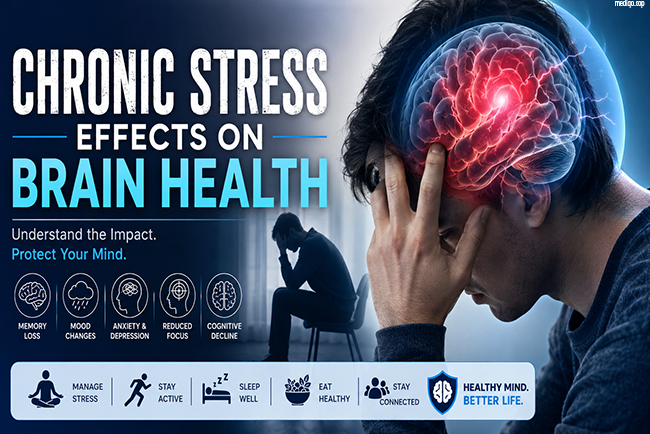
Stress is a natural response that helps the body react to danger or challenging situations. Short-term stress can improve focus and performance. However, chronic stress develops when the body remains under pressure for weeks, months, or even years. This prolonged stress response keeps stress hormones elevated, placing a significant burden on the brain and the rest of the body.
Modern lifestyles often expose people to ongoing work pressure, financial concerns, relationship conflicts, poor sleep, and health issues. Over time, these factors may negatively affect brain function and increase the risk of mental and physical health problems.
The brain depends on a careful balance of hormones and neurotransmitters to function properly. Chronic stress disrupts this balance by increasing cortisol, the body’s primary stress hormone.
High cortisol levels can alter communication between brain cells and reduce the brain’s ability to adapt to new information. Researchers have found that prolonged stress may shrink areas responsible for learning and memory while making fear and emotional responses more intense.
These changes can reduce concentration, slow decision-making, and impair emotional regulation. Although some effects may improve after stress decreases, long-lasting exposure can cause more persistent changes.
One of the most noticeable effects of chronic stress is difficulty remembering information. Many people experience forgetfulness, reduced attention, or trouble learning new skills during stressful periods.
The hippocampus, a brain region involved in memory formation, is particularly sensitive to prolonged cortisol exposure. When stress continues without relief, the hippocampus may function less efficiently. As a result, storing and recalling information becomes more challenging.
Students, professionals, and older adults may notice reduced productivity and slower thinking if chronic stress remains unmanaged.
Read more >> PTSD Symptoms After Trauma Exposure: Signs & Recovery
Chronic stress does not only affect thinking. It also influences emotional well-being.
Persistent stress increases the likelihood of anxiety, depression, irritability, and mood swings. The amygdala, which processes fear and emotions, becomes more active during long-term stress. At the same time, the prefrontal cortex, responsible for rational thinking and self-control, may become less effective.
This imbalance can make emotional reactions stronger while reducing the ability to stay calm during difficult situations.
Scientists continue to study the relationship between chronic stress and neurological diseases. Current evidence suggests that prolonged stress may increase the risk of cognitive decline as people age.
Chronic inflammation, sleep disruption, and high cortisol levels may contribute to reduced brain resilience. Some studies also suggest a possible connection between long-term stress and neurodegenerative conditions, although stress alone is not considered a direct cause.
Managing stress early may help support healthy brain aging and preserve cognitive function.
Brain health depends on overall physical health. Chronic stress often causes symptoms that indirectly reduce cognitive performance.
Common physical effects include:
Sleep deprivation is especially harmful because the brain performs essential repair processes during deep sleep. Poor sleep combined with chronic stress creates a cycle that further weakens memory, focus, and emotional stability.
Reducing chronic stress does not require eliminating every challenge from life. Instead, healthy habits can improve the brain’s ability to recover from stress.
Regular physical exercise supports healthy blood flow to the brain and reduces cortisol levels. Quality sleep helps restore cognitive function and emotional balance. A diet rich in fruits, vegetables, whole grains, healthy fats, and lean protein provides nutrients that support brain health.
Mindfulness meditation, deep breathing exercises, yoga, and relaxation techniques have also shown positive effects on stress reduction. Maintaining strong social relationships and seeking support from family, friends, or mental health professionals can further improve emotional resilience.
Limiting alcohol, avoiding smoking, and reducing excessive caffeine intake may also help lower stress-related symptoms.
Occasional stress is a normal part of life, but persistent symptoms should not be ignored. Medical evaluation is recommended if stress causes severe anxiety, ongoing depression, panic attacks, significant memory problems, or difficulty performing daily activities.
Healthcare providers can identify underlying conditions and recommend evidence-based treatments, including counseling, cognitive behavioral therapy, stress management programs, or medication when appropriate.
Early intervention often leads to better outcomes and helps prevent long-term complications.
The chronic stress effects on brain health extend far beyond temporary emotional discomfort. Prolonged stress can impair memory, reduce concentration, alter mood, and increase the risk of long-term cognitive decline. Fortunately, the brain remains adaptable throughout life. Healthy lifestyle choices, effective stress management techniques, and timely professional support can reduce many harmful effects and protect brain function. Taking action today can improve both mental well-being and long-term brain health for years to come.