Physical Address
304 North Cardinal St.
Dorchester Center, MA 02124
Physical Address
304 North Cardinal St.
Dorchester Center, MA 02124

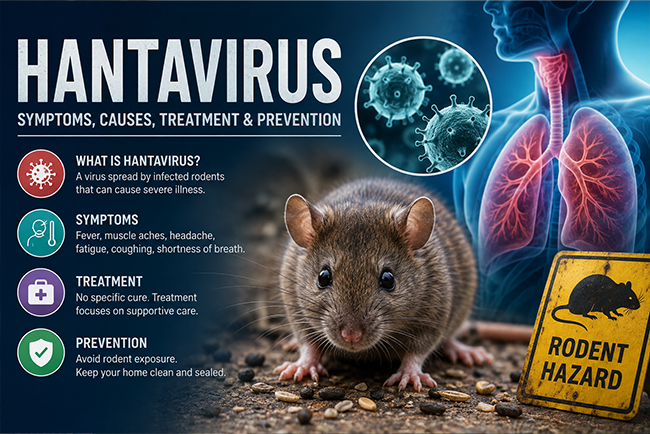
Hantavirus is a group of viruses that can cause serious illness in humans. People usually become infected after breathing in particles contaminated with urine, droppings, or saliva from infected rodents. Early symptoms may look like the flu, but some forms of hantavirus infection can become life-threatening.
Hantavirus refers to a group of viruses carried mainly by rodents. Different hantaviruses can cause different diseases.
In the Americas, hantaviruses can cause Hantavirus Pulmonary Syndrome (HPS). In Europe and Asia, some hantaviruses can cause hemorrhagic fever with renal syndrome (HFRS).
Hantavirus infections are uncommon, but they can become severe quickly. Therefore, recognizing the early symptoms is important.
Read More>>Lockjaw: Release Date, Cast, Story, Trailer and Everything You Need to Know
Hantavirus usually spreads through contact with infected rodents or contaminated materials. For example, people may become infected when they breathe in dust containing particles from dried rodent urine or droppings.
You can also reduce your risk by avoiding direct contact with wild rodents and their nesting materials. Person-to-person transmission is extremely rare and has been reported mainly with certain South American hantaviruses.
Early Hantavirus symptoms may include:
As the infection progresses, HPS can cause coughing and serious breathing difficulties. Fluid may build up in the lungs, leading to respiratory failure.
Because symptoms can worsen rapidly, anyone with possible rodent exposure and sudden flu-like symptoms should seek medical attention promptly.
Doctors consider a person’s symptoms, medical history, and possible exposure to rodents. Laboratory tests can help confirm a hantavirus infection.
However, early hantavirus symptoms can resemble other illnesses. Therefore, tell your healthcare provider about any recent exposure to rodents or areas contaminated by rodent waste.
Read More>>Nipah Virus: Symptoms, Causes, Prevention, and Treatment
There is currently no specific cure for HPS. Treatment mainly focuses on supporting the body while it fights the infection.
Patients with severe disease may need hospitalization and intensive medical care. Oxygen therapy and other supportive treatments can help manage breathing problems.
Early medical care is especially important because HPS can progress quickly.
The best way to prevent hantavirus infection is to reduce exposure to rodents.
Follow these safety tips:
Seek medical care if you develop sudden fever, muscle aches, breathing problems, or other severe symptoms after possible rodent exposure.
Hantavirus can be serious, but preventing rodent exposure can significantly reduce the risk. Knowing the symptoms and seeking prompt medical attention can also improve the chances of receiving appropriate supportive care.
Disclaimer: This article is for general educational purposes and should not replace professional medical advice.