Physical Address
304 North Cardinal St.
Dorchester Center, MA 02124
Physical Address
304 North Cardinal St.
Dorchester Center, MA 02124

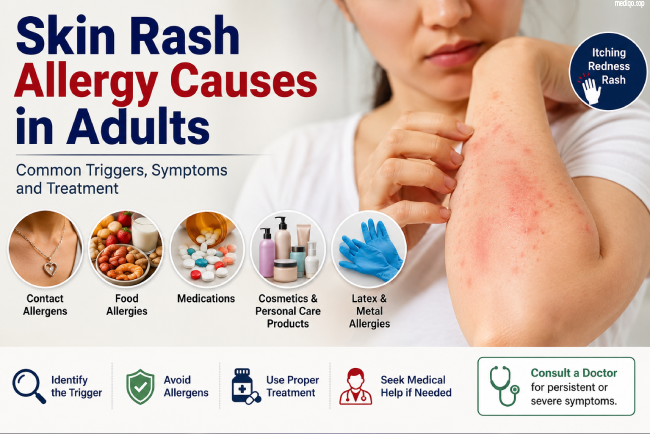
An allergic skin rash develops when the immune system reacts strongly to a normally harmless substance. The reaction can cause redness, itching, swelling, bumps, or blisters. Several allergens can trigger these symptoms in adults.
Some reactions appear within minutes. Others may take several hours or days to develop. Identifying the trigger can help reduce repeated outbreaks.
Contact with certain substances is a common cause of allergic skin rashes. This condition is often called allergic contact dermatitis.
Common triggers include nickel, fragrances, cosmetics, hair dyes, latex, and some preservatives. Poison ivy and similar plants can also cause an allergic reaction.
The rash usually appears where the skin touched the allergen. It may cause intense itching, redness, swelling, or small fluid-filled blisters.
Certain foods can trigger allergic skin reactions in adults. Common examples include peanuts, tree nuts, shellfish, fish, eggs, milk, wheat, and soy.
Food allergies can cause hives, which appear as raised, itchy patches on the skin. They can occur on different parts of the body and may change location.
A food allergy can also cause swelling of the lips, tongue, face, or throat. Breathing problems may occur during a severe reaction.
Some medicines can trigger allergic skin reactions. Antibiotics, pain medicines, and certain seizure medicines are possible causes.
A medication-related rash may appear as red spots, bumps, hives, or widespread irritation. The reaction can occur soon after taking a medicine or several days later.
Do not stop an essential prescription without medical advice. Contact a healthcare professional if a new rash develops after starting a medicine.
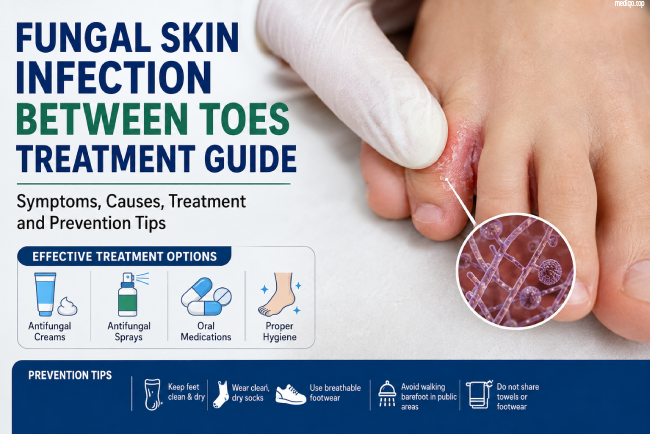
Read more >> Fungal Skin Infection Between Toes Treatment Guide
Cosmetics can contain substances that irritate or trigger allergies. Fragrances, preservatives, hair products, soaps, and skin creams can cause problems.
A rash may develop on the face, neck, hands, or other areas that received the product. Burning, itching, dryness, and redness are common symptoms.
Using fragrance-free products may help people with sensitive skin. A doctor can also recommend patch testing when the trigger remains unclear.
Latex and metals are frequent causes of allergic skin reactions. It may appear in gloves, elastic materials, and some medical products.
Nickel can occur in jewelry, watches, belt buckles, buttons, and other metal items. Repeated exposure may cause an itchy rash at the contact site.
Avoiding the suspected material can reduce future reactions. A healthcare professional can confirm some allergies through appropriate testing.
Allergic rashes can look different from person to person. Common symptoms include itching, redness, swelling, bumps, and dry or cracked skin.
Hives usually appear as raised welts. They can disappear and return within a short period. Contact dermatitis may remain in the same area for longer.
Scratching can damage the skin and increase the risk of infection. Try to avoid scratching when possible.
Most mild allergic rashes are not emergencies. However, some symptoms require immediate medical attention.
Seek emergency help if a rash occurs with difficulty breathing, throat tightness, severe dizziness, fainting, or sudden swelling of the tongue or throat. These symptoms may indicate anaphylaxis, a serious allergic reaction.
See a doctor when the rash spreads quickly, keeps returning, becomes painful, develops pus, or does not improve. Medical evaluation can also help when the cause remains unknown.
Treatment depends on the cause and severity of the reaction. The first step often involves avoiding the suspected allergen.
Doctors may recommend antihistamines for some itchy allergic reactions. They may also recommend topical medicines for certain inflammatory rashes.
Cool compresses can provide temporary relief from itching and irritation. Gentle, fragrance-free moisturizers may also support the skin barrier.
Do not apply unfamiliar creams to a severe or unexplained rash without professional advice.
Finding the trigger is one of the best ways to prevent recurring allergic rashes. Keep track of new foods, medicines, cosmetics, detergents, jewelry, and other exposures.
Choose gentle personal care products when possible. Read ingredient labels carefully and avoid known allergens.
If reactions happen repeatedly, ask a dermatologist or allergist about allergy testing. Proper diagnosis can make long-term prevention much easier.
Skin rash allergy causes in adults can range from contact allergens to foods and medicines. The appearance and timing of a rash can provide useful clues.
However, several skin conditions can look similar. A healthcare professional can help identify the cause when symptoms persist or become severe.
Early attention is especially important when a rash occurs with breathing problems or swelling of the throat and tongue. Prompt treatment can help prevent serious complications.