Physical Address
304 North Cardinal St.
Dorchester Center, MA 02124
Physical Address
304 North Cardinal St.
Dorchester Center, MA 02124

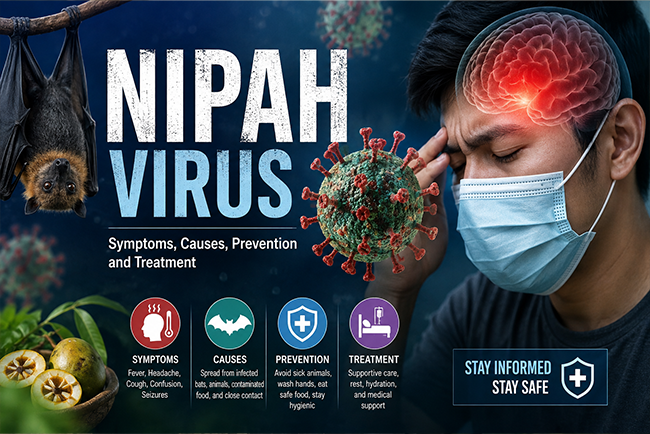
Nipah virus is a serious infectious disease that can cause severe illness in humans and animals. It belongs to the Henipavirus genus and can lead to inflammation of the brain, known as encephalitis, as well as respiratory problems. Nipah virus outbreaks have been reported mainly in parts of South and Southeast Asia.
Because the infection can become severe quickly, understanding its symptoms, transmission, and prevention is important.
Nipah virus can spread from infected animals to people and, in some situations, from person to person. Fruit bats are considered a natural host of the virus.
People may become infected through:
Therefore, avoiding contact with potentially infected animals and practicing good hygiene can help reduce the risk.
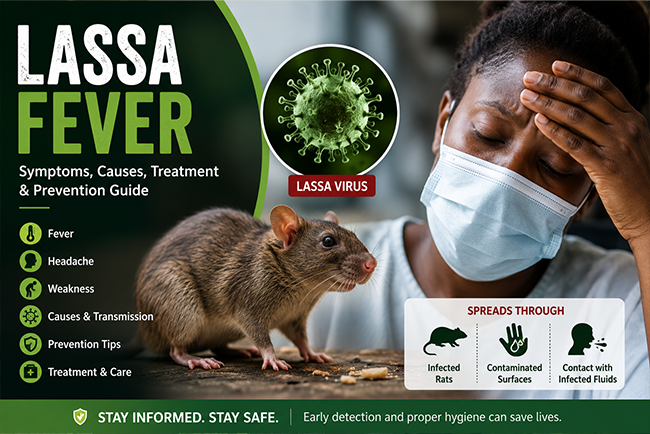
Read More>>Lassa Fever: Symptoms, Causes, Treatment, and Prevention
Symptoms of Nipah virus infection can appear several days after exposure. Early symptoms may resemble other viral infections.
Common symptoms include:
As the infection progresses, some patients may develop confusion, seizures, severe drowsiness, or encephalitis. Severe cases can become life-threatening.
Anyone who develops serious symptoms after possible exposure should seek medical attention promptly.
Doctors may consider Nipah virus when a person has compatible symptoms and a history of exposure to an affected area, infected animals, or an infected person.
Laboratory testing is required to confirm infection. Specialized tests can detect the virus or antibodies produced by the immune system.
Because Nipah virus can cause serious disease, suspected cases require appropriate medical evaluation and infection-control precautions.
Read More>>Lockjaw: Release Date, Cast, Story, Trailer and Everything You Need to Know
Currently, there is no widely approved specific antiviral treatment for Nipah virus infection. Treatment mainly focuses on supportive medical care.
Depending on the severity of illness, supportive treatment may include:
Researchers continue to study vaccines and antiviral treatments for Nipah virus.
Prevention is especially important during an outbreak. Simple precautions can lower exposure risks.
Avoid contact with sick animals and do not consume food that may have been contaminated. Wash fruits thoroughly and avoid damaged or visibly contaminated produce. Good hand hygiene is also important.
Healthcare workers should use appropriate protective equipment when caring for suspected or confirmed patients. Close contacts may require monitoring according to local public health guidance.
Seek medical advice if you develop fever, headache, breathing problems, or neurological symptoms after possible exposure to Nipah virus. Early medical evaluation is important because severe infection can progress rapidly.
Nipah virus is a potentially deadly viral infection that can affect the respiratory and nervous systems. It can spread through infected animals, contaminated food, and close human contact. Early recognition, infection-control measures, and supportive medical care are essential.
Learning how Nipah virus spreads and following public health guidance can help reduce the risk of infection and limit outbreaks.