Physical Address
304 North Cardinal St.
Dorchester Center, MA 02124
Physical Address
304 North Cardinal St.
Dorchester Center, MA 02124

itional doses according to the recommended schedule.
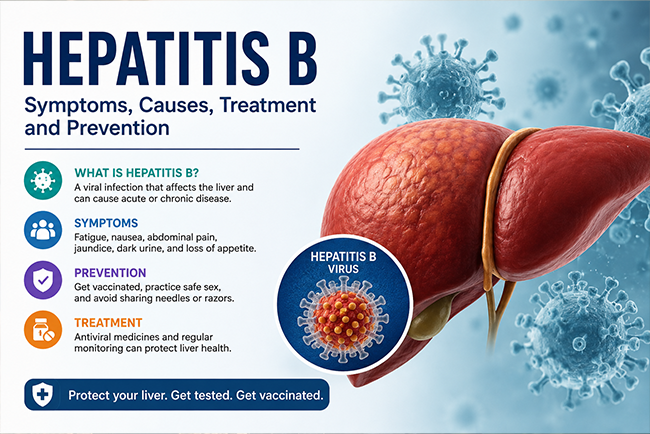
Other prevention measures include using sterile needles, practicing safer sex, ensuring blood is properHepatitis B is a viral infection that affects the liver. It is caused by the hepatitis B virus (HBV) and can lead to either a short-term acute infection or a long-term chronic infection. Chronic hepatitis B can damage the liver and increase the risk of cirrhosis and liver cancer. However, hepatitis B is preventable through vaccination.
Hepatitis B occurs when HBV infects liver cells. Some people clear the virus after an acute infection, while others develop chronic hepatitis B. The risk of chronic infection is much higher when infection occurs during infancy or early childhood.
Because hepatitis B may cause few or no symptoms, a person can have the infection without knowing it. Testing is therefore important for people who may have been exposed to the virus.
Hepatitis B spreads through contact with infected blood or certain body fluids. Common routes of transmission include:
Hepatitis B is not usually spread through casual contact, such as hugging, coughing, or sharing food.
Read More>>Hepatitis A: Symptoms, Causes, Treatment, and Prevention
Many people with newly acquired hepatitis B have no noticeable symptoms. When symptoms occur, they may include:
Severe acute infection can sometimes cause liver failure. Chronic infection may gradually cause liver scarring, cirrhosis, or liver cancer.
Doctors diagnose hepatitis B using blood tests. These tests can determine whether someone has a current infection, has recovered from a previous infection, or has immunity from vaccination. Additional tests may help evaluate liver health and monitor chronic infection.
Treatment depends on whether the infection is acute or chronic. Many people with acute hepatitis B recover without specific antiviral treatment and receive medical care to manage symptoms.
For chronic hepatitis B, doctors may recommend antiviral medicines for people who meet treatment criteria. Regular medical monitoring is also important because chronic HBV can affect liver health over time.
Read More>>Ms. Marvel’s Iman Vellani Says Spider-Man
The best way to prevent hepatitis B is vaccination. WHO recommends that babies receive the hepatitis B vaccine as soon as possible after birth, ideally within 24 hours, followed by addly screened, and avoiding shared razors or other items that may contain blood.
Hepatitis B is a serious but preventable liver infection. Since it can remain symptom-free, testing and appropriate medical follow-up are important. Vaccination, safe practices, early diagnosis, and proper treatment can significantly reduce the health risks associated with hepatitis B.
Medical disclaimer: This article is for educational purposes only and does not replace professional medical advice. If you think you may have hepatitis B or have been exposed to HBV, speak with a qualified healthcare professional.