Physical Address
304 North Cardinal St.
Dorchester Center, MA 02124
Physical Address
304 North Cardinal St.
Dorchester Center, MA 02124

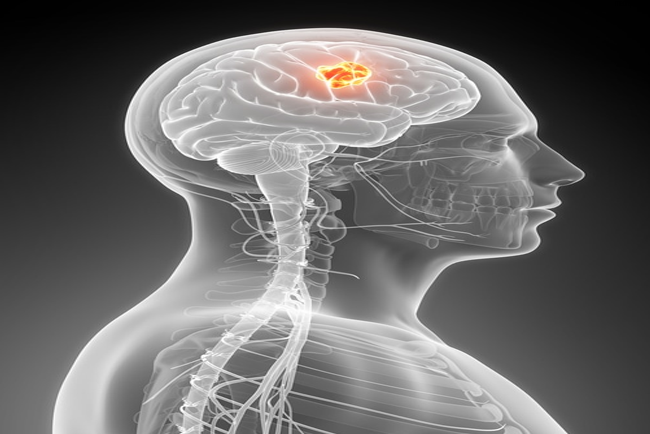
Many people experience headaches, dizziness, or vision problems and fear they might have a brain tumor. It is natural to worry, but you cannot detect a brain tumor at home with certainty. Only medical imaging confirms it. However, you can observe warning signs that suggest you should seek urgent medical help. Understanding these signs helps you act early and protect your health.
A brain tumor grows inside the skull, where symptoms overlap with many common conditions. You cannot see or feel it from outside. No home device or tool can diagnose it. Even doctors rely on MRI or CT scans. This is why home detection remains limited to identifying early symptoms and tracking changes. Awareness helps you decide when to visit a specialist.
Read more >> Can constipation cause back pain?
Some warning signs appear gradually. Headaches may get worse over time. They may feel stronger in the morning. Nausea and vomiting can occur without stomach issues. Vision may become blurry. You may lose balance. These symptoms require attention, especially when they persist. Tracking them in a diary helps your doctor understand your condition better.
Read more >> Akhanda 2 – A Powerful Blend of Innocence, Nature, and Spiritual Strength
Some symptoms appear suddenly and demand quick medical care. Seizures can be the first sign for many people. Sudden changes in speech may occur. Weakness may appear on one side of the body. Confusion or personality changes can also develop. These symptoms should never be ignored. They indicate that immediate medical evaluation is needed.
Brain tumors can affect thinking and memory. You may forget simple tasks. You may struggle to concentrate. Loved ones might notice mood changes. You may become irritable or withdrawn. These changes occur because the tumor affects brain signals. Tracking these symptoms helps your doctor identify the affected brain areas.
Although you cannot diagnose a tumor, you can monitor your daily function. Check your balance while walking. Observe your handwriting. Notice if one hand feels weaker. Pay attention to persistent vision problems. Keep note of speech difficulties. These simple checks show patterns that may support early medical intervention. They do not replace professional testing.
You should see a doctor when symptoms stay for weeks or become worse. Headaches that change in pattern need attention. Sudden seizures must be treated immediately. Vision loss and speech difficulty require prompt care. Early consultation can improve outcomes. Doctors can suggest imaging tests if they suspect something serious.
Doctors start with a neurological exam. They check your reflexes and coordination. They review your symptoms. If needed, they order MRI or CT scans. These scans show the tumor’s size and location. Blood tests may also be done. Early diagnosis allows timely treatment. This step cannot be performed at home under any condition.
While watching your symptoms, maintaining a healthy routine helps. Drink enough water. Eat balanced meals. Sleep properly. Avoid stress as it can worsen headaches. Limit screen time if you struggle with vision or dizziness. These habits do not treat a tumor, but they support overall brain health.
You cannot detect a brain tumor at home with full certainty. Only a doctor can confirm it. But you can notice early warning signs and seek medical advice quickly. Understanding your symptoms and acting early may save your life. Always trust medical professionals for diagnosis and treatment.