Physical Address
304 North Cardinal St.
Dorchester Center, MA 02124
Physical Address
304 North Cardinal St.
Dorchester Center, MA 02124

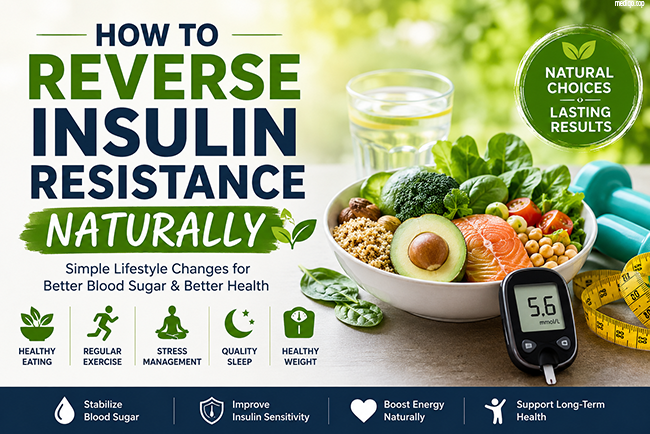
Insulin resistance is becoming more common in adults and teenagers around the world. It happens when the body’s cells stop responding properly to insulin. As a result, blood sugar levels rise and the pancreas works harder to produce more insulin. Over time, this condition may lead to type 2 diabetes, obesity, and heart disease.
The good news is that many people can reverse insulin resistance naturally through healthy lifestyle changes. Small daily habits often create long-term improvements in blood sugar control and overall health.
Several factors contribute to insulin resistance. Poor diet, lack of exercise, chronic stress, and excess body fat are the most common causes. Genetics may also increase the risk.
Processed foods and sugary drinks can raise blood sugar quickly. When this happens repeatedly, the body may become less sensitive to insulin. Sitting for long hours and getting little physical activity also make the condition worse.
Understanding these causes is the first step toward improving insulin sensitivity naturally.
A healthy diet plays a major role in reversing insulin resistance naturally. Whole foods help stabilize blood sugar and reduce inflammation in the body.
Focus on foods that are rich in fiber, protein, and healthy fats. Vegetables, fruits, nuts, seeds, beans, eggs, fish, and whole grains are excellent choices. Fiber slows down sugar absorption and helps control hunger.
Avoid foods that contain refined sugar and white flour. Soft drinks, candy, pastries, and fast food may increase insulin spikes. Instead, choose natural and minimally processed foods whenever possible.
Drinking enough water is also important. Proper hydration supports metabolism and helps the body function more efficiently.
Physical activity is one of the most effective ways to improve insulin sensitivity. Exercise helps muscles use glucose for energy, which lowers blood sugar levels naturally.
Walking, cycling, swimming, and strength training can all help reduce insulin resistance. Even 30 minutes of moderate exercise five days a week may lead to noticeable improvements.
Strength training is especially beneficial because muscle tissue uses more glucose than fat tissue. Building muscle can support long-term blood sugar control.
Consistency matters more than intensity. Simple daily movement often delivers better results than occasional intense workouts.
Excess body fat, especially around the abdomen, is strongly linked to insulin resistance. Losing even a small amount of weight may improve insulin sensitivity.
Crash diets are usually difficult to maintain. Instead, focus on gradual and sustainable changes. Eating balanced meals and staying active can support healthy weight loss over time.
People who maintain a healthy weight often experience better energy levels, improved metabolism, and reduced inflammation.
Poor sleep may negatively affect hormones that regulate blood sugar and appetite. People who sleep less than seven hours regularly may face a higher risk of insulin resistance.
Try to maintain a consistent sleep schedule each night. Reduce screen time before bed and create a calm sleeping environment. Avoid caffeine late in the evening because it may interfere with sleep quality.
Better sleep supports hormone balance and helps the body respond to insulin more effectively.
Chronic stress increases the production of cortisol, a hormone that can raise blood sugar levels. Long-term stress may worsen insulin resistance and lead to unhealthy eating habits.
Relaxation techniques can help lower stress naturally. Deep breathing, meditation, yoga, and spending time outdoors may improve mental and physical health.
Taking short breaks during the day and maintaining social connections may also support emotional well-being.
Read more >> Early Signs of Type 2 Diabetes in Adults: Key Symptoms to Watch
Meals rich in fiber and protein help keep blood sugar stable for longer periods. They also reduce cravings and support healthy digestion.
Good sources of fiber include vegetables, oats, chia seeds, and legumes. Protein-rich foods such as chicken, fish, eggs, Greek yogurt, and tofu can help control appetite and maintain muscle mass.
Combining protein, fiber, and healthy fats in each meal may prevent sudden blood sugar spikes.
Sugary beverages are one of the biggest contributors to insulin resistance. Soda, energy drinks, and sweetened coffee contain large amounts of sugar with little nutritional value.
Processed snacks and packaged foods often contain unhealthy fats, preservatives, and added sugars. Replacing these foods with natural alternatives may improve insulin sensitivity over time.
Reading food labels can help identify hidden sugars and unhealthy ingredients.
Reversing insulin resistance naturally takes time and commitment. Results may not appear overnight, but consistent healthy habits often lead to lasting improvements.
Track your progress by monitoring weight, energy levels, and eating habits. Regular medical checkups may also help measure blood sugar and insulin levels.
Small lifestyle changes done consistently are more effective than temporary diets or extreme routines.
Learning how to reverse insulin resistance naturally can improve both short-term and long-term health. Healthy eating, regular exercise, quality sleep, stress management, and weight control are powerful tools for improving insulin sensitivity.
Simple daily choices often create significant results over time. With patience and consistency, many people can reduce insulin resistance and lower their risk of developing serious health conditions.