Physical Address
304 North Cardinal St.
Dorchester Center, MA 02124
Physical Address
304 North Cardinal St.
Dorchester Center, MA 02124

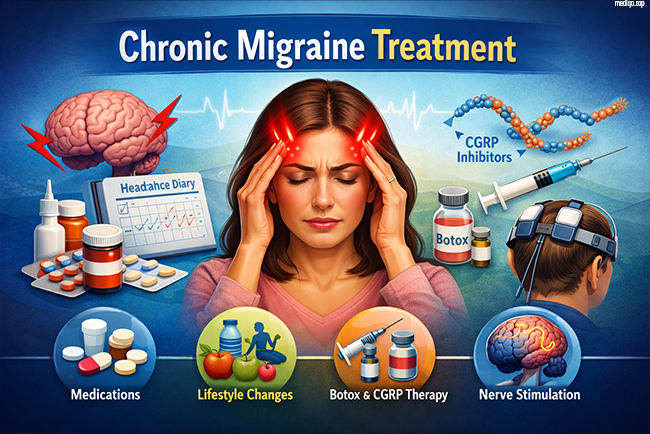
Chronic migraine is a neurological condition. It causes frequent and severe headache attacks. Most patients experience headaches on 15 or more days each month. At least eight of these days involve migraine symptoms. The condition affects daily life, productivity, and emotional well-being. Early chronic migraine treatment improves long-term outcomes. Proper care reduces pain intensity and attack frequency.
Doctors do not identify a single cause of chronic migraine. A mix of genetic and environmental factors plays a role. Brain chemical imbalance can increase sensitivity to pain. Stress often triggers frequent migraine attacks. Poor sleep and irregular routines also increase risk. Hormonal changes may worsen symptoms in many individuals. Overuse of pain medications can also lead to chronic migraine development. Understanding these triggers helps guide effective chronic migraine treatment.
Doctors diagnose chronic migraine based on symptoms and history. They may ask about headache frequency and severity. A neurological exam helps rule out other conditions. Imaging tests are used when necessary. Patients often keep a headache diary for better evaluation. This record helps identify triggers and patterns. Accurate diagnosis supports a better chronic migraine treatment plan.
Doctors use two main types of medication. Acute medications help relieve pain during attacks. These include triptans and pain relievers. Preventive medications reduce the frequency of migraines. Beta-blockers, anticonvulsants, and antidepressants are common options. Doctors adjust treatment based on patient response. Overuse of painkillers is avoided to prevent rebound headaches. A balanced medication plan improves long-term control.
Read more >> Early Brain Tumor Symptoms: Warning Signs, Risks, and Diagnosis
Lifestyle changes play a key role in chronic migraine treatment. Regular sleep improves brain stability. A consistent sleep schedule reduces attack frequency. Hydration also helps prevent headaches. A balanced diet supports overall neurological health. Patients should avoid known food triggers such as caffeine overload or processed foods. Stress management techniques like meditation and breathing exercises reduce migraine intensity. Regular physical activity also improves brain function and reduces pain sensitivity.
Some patients need advanced chronic migraine treatment. Botox injections help relax pain pathways in the head and neck. CGRP inhibitors block proteins linked to migraine attacks. These newer medications show strong results in reducing frequency. Nerve stimulation therapy is another option for resistant cases. Doctors recommend these treatments when standard medications do not work. These therapies improve quality of life in chronic sufferers.
Long-term control requires consistent care and monitoring. Patients should follow their treatment plan closely. Regular doctor visits help track progress. Identifying triggers remains essential for prevention. Healthy routines reduce the likelihood of flare-ups. Emotional well-being also plays an important role in recovery. Chronic migraine treatment works best when combined with lifestyle discipline and medical support. With proper management, patients can achieve fewer and milder attacks.