Physical Address
304 North Cardinal St.
Dorchester Center, MA 02124
Physical Address
304 North Cardinal St.
Dorchester Center, MA 02124

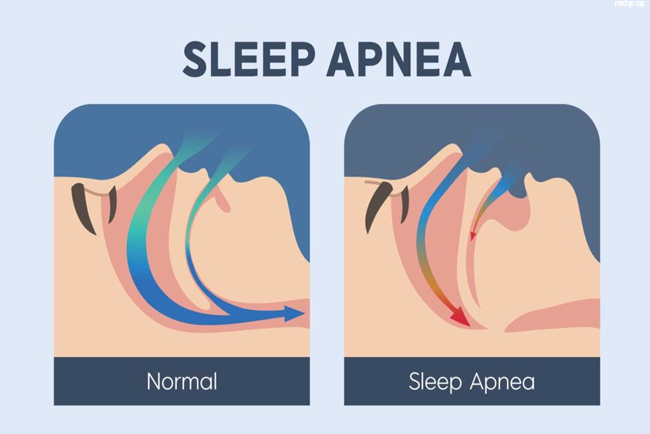
Sleep apnea is a common sleep disorder that disrupts breathing during sleep. It causes repeated pauses in breathing that may last a few seconds to minutes. These interruptions reduce oxygen flow and disturb normal sleep cycles. Many people remain unaware of their condition because symptoms occur during sleep. Early detection of sleep apnea symptoms can help prevent serious health issues.
Loud, persistent snoring is one of the most noticeable sleep apnea symptoms. It often occurs when airflow becomes partially blocked. People with sleep apnea may also experience choking, gasping, or snorting sounds during sleep. These episodes usually signal a temporary pause in breathing. Bed partners often notice these signs before the affected person does.
Daytime fatigue is a major warning sign of sleep apnea. Poor sleep quality leaves individuals feeling tired even after a full night in bed. Many people struggle to stay awake during routine activities such as reading, watching TV, or working. This symptom can affect productivity and increase the risk of accidents. Persistent sleepiness should never be ignored.
Read more >> Tension Headache Causes: Top Triggers and Prevention Tips
Frequent morning headaches often indicate disrupted oxygen levels during sleep. These headaches usually feel dull and fade after a few hours. Dry mouth or a sore throat upon waking is also common. Breathing through the mouth during sleep can cause these symptoms. They may seem minor but often point to underlying sleep issues.
Sleep apnea affects brain function due to poor rest and reduced oxygen supply. Many people experience difficulty concentrating, memory problems, or slower thinking. Mood changes such as irritability, anxiety, or depression may also develop. These symptoms can impact personal relationships and work performance. Addressing sleep apnea can improve mental clarity and emotional stability.
People with sleep apnea often wake up multiple times during the night. These awakenings may occur with a choking sensation or a need to catch breath. Some individuals also experience insomnia or difficulty staying asleep. Fragmented sleep prevents the body from reaching deep, restorative stages. This leads to ongoing fatigue and reduced overall health.
Sleep apnea can contribute to serious health conditions over time. Repeated drops in oxygen levels put stress on the cardiovascular system. This can lead to high blood pressure, heart disease, or stroke. Many individuals with untreated sleep apnea face increased health risks. Recognizing symptoms early can help prevent long-term complications.
Sleep apnea does not only affect adults. Children may also develop this condition, though symptoms can differ. Common signs include snoring, restless sleep, bedwetting, and mouth breathing. Some children show behavioral issues such as hyperactivity or poor school performance. Parents should monitor sleep patterns closely and seek medical advice if concerns arise.
Medical attention is necessary if sleep apnea symptoms persist or worsen. Loud snoring combined with daytime fatigue is a strong indicator. A healthcare professional may recommend a sleep study to confirm the diagnosis. Early treatment can improve sleep quality and reduce health risks. Lifestyle changes and medical therapies often provide effective relief.
Sleep apnea symptoms can affect physical health, mental well-being, and daily life. Many people overlook early warning signs, which delays proper treatment. Recognizing symptoms such as snoring, fatigue, and concentration issues is essential. Timely intervention can improve sleep quality and overall health. If you suspect sleep apnea, consulting a doctor is the best step toward recovery.