Physical Address
304 North Cardinal St.
Dorchester Center, MA 02124
Physical Address
304 North Cardinal St.
Dorchester Center, MA 02124
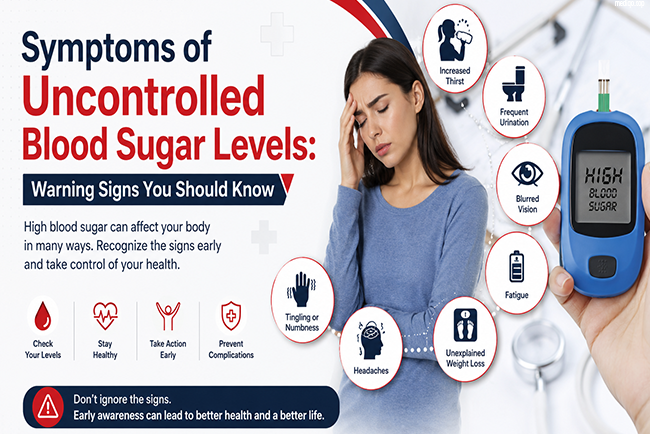
Uncontrolled blood sugar levels can affect many parts of the body and lead to serious health problems over time. Both high blood sugar and low blood sugar can cause noticeable symptoms that should never be ignored. People with diabetes often experience these warning signs when their blood glucose is not managed properly. Early detection helps prevent complications and improves overall health.
Understanding the symptoms of uncontrolled blood sugar levels can help individuals seek medical attention quickly. Proper lifestyle changes, medication, and regular monitoring play a major role in maintaining healthy glucose levels.
One of the most common signs of uncontrolled blood sugar levels is frequent urination. When blood sugar rises too high, the kidneys work harder to remove excess glucose through urine. As a result, people may visit the bathroom more often, especially during the night.
Excessive thirst usually follows frequent urination. The body loses large amounts of fluid, which causes dehydration. Many people feel thirsty even after drinking enough water. These symptoms often appear together and may indicate poorly controlled diabetes.
People with uncontrolled blood sugar levels may feel hungry all the time. The body cannot use glucose properly for energy, so cells continue to signal hunger. This condition can lead to overeating and constant cravings.
Unexpected weight loss may also occur, especially in people with untreated diabetes. Since the body cannot access glucose efficiently, it starts burning fat and muscle for energy. Sudden weight loss without changes in diet or exercise should never be ignored.
Persistent tiredness is another major symptom of uncontrolled blood sugar levels. High blood glucose prevents cells from receiving enough energy, which can leave a person feeling weak and exhausted throughout the day.
Many people also struggle with difficulty concentrating and reduced productivity. Even after getting enough sleep, they may continue to feel drained. Chronic fatigue can interfere with work, school, and daily activities.
High blood sugar can affect the eyes and lead to blurred vision. Excess glucose may cause swelling in the eye lenses, which changes the ability to focus clearly. Some people notice temporary vision problems when their blood sugar fluctuates frequently.
Frequent headaches are also common. Blood sugar imbalances can place stress on the body and trigger discomfort. If headaches occur alongside thirst, fatigue, or blurred vision, blood glucose testing may be necessary.
Cuts and wounds may heal slowly when blood sugar remains uncontrolled. High glucose levels can damage blood vessels and reduce blood circulation. This process makes it harder for the body to repair tissues effectively.
People with diabetes may also experience frequent infections. Skin infections, urinary tract infections, and gum problems are especially common. In some cases, fungal infections develop due to excess sugar in the bloodstream.
Long-term uncontrolled blood sugar can damage nerves. This condition, known as diabetic neuropathy, often causes tingling, numbness, or burning sensations in the hands and feet.
Some individuals also experience sharp pain or sensitivity in affected areas. Nerve damage may worsen over time if blood sugar remains unmanaged. Therefore, early treatment is essential for preventing permanent complications.
Read more >> Best Diet Plan for Type 2 Diabetes Patients – Healthy Meal Guide
Blood sugar fluctuations can affect emotional health as well. Many people become irritable, anxious, or moody when glucose levels rise or fall suddenly. These changes happen because the brain depends on stable glucose levels for proper function.
Difficulty focusing and memory problems may also occur. In severe cases, uncontrolled blood sugar can increase the risk of confusion and dizziness.
Extremely high blood sugar can cause serious symptoms such as nausea, vomiting, fruity-smelling breath, and shortness of breath. This condition may become life-threatening if left untreated.
Low blood sugar can also be dangerous. Common symptoms include sweating, shaking, rapid heartbeat, dizziness, and sudden hunger. Severe low blood sugar may lead to fainting or seizures.
Anyone experiencing severe symptoms should seek immediate medical attention.
Managing blood sugar requires a combination of healthy habits and medical care. Eating balanced meals, exercising regularly, staying hydrated, and taking prescribed medication can help maintain stable glucose levels.
Regular blood sugar monitoring is equally important. Routine checkups allow doctors to detect complications early and adjust treatment plans when needed. Avoiding sugary drinks, processed foods, and smoking can also improve long-term health.
The symptoms of uncontrolled blood sugar levels should never be overlooked. Frequent urination, excessive thirst, fatigue, blurred vision, slow healing, and mood changes are common warning signs. Early diagnosis and proper treatment can reduce the risk of serious complications.
People who notice persistent symptoms should consult a healthcare professional for evaluation and blood sugar testing. Maintaining healthy glucose levels supports better energy, improved wellness, and a healthier future.