Physical Address
304 North Cardinal St.
Dorchester Center, MA 02124
Physical Address
304 North Cardinal St.
Dorchester Center, MA 02124
Diabetes is a common health condition among elderly people. It affects how the body controls blood sugar levels. Aging can make diabetes management more difficult because older adults often face other health problems as well. Poorly controlled diabetes may lead to serious complications that reduce quality of life. Early detection and proper care can help elderly people stay healthy and active.
Older adults are more vulnerable to diabetes complications because the body changes with age. The immune system becomes weaker, and blood circulation may slow down. Many elderly people also have high blood pressure, heart disease, or kidney problems. These conditions increase the risk of severe diabetes-related health issues. Limited mobility and memory problems can also make daily diabetes management harder.
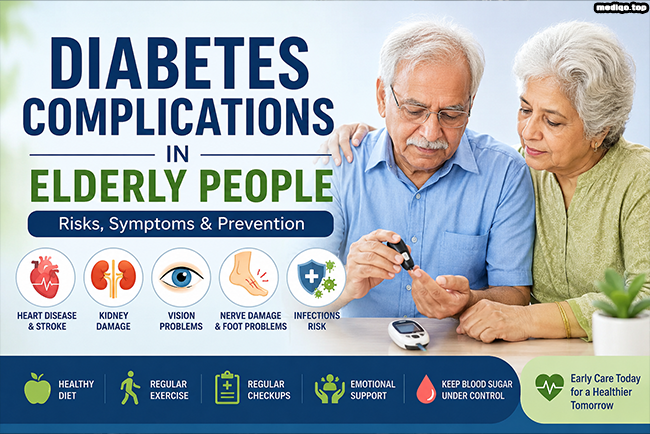
Heart disease is one of the most dangerous diabetes complications in elderly people. High blood sugar damages blood vessels over time. This damage raises the risk of heart attacks and strokes. Elderly patients with diabetes often experience chest pain, shortness of breath, or fatigue. Regular blood pressure checks and healthy eating habits may reduce these risks.
Diabetes can seriously affect kidney function. High glucose levels damage small blood vessels inside the kidneys. Elderly people may not notice symptoms during the early stages. Swelling in the legs, tiredness, and changes in urination can appear later. Routine kidney tests help doctors identify problems before they become severe. Drinking enough water and controlling blood sugar levels support kidney health.
Diabetes may cause serious eye conditions in older adults. Diabetic retinopathy is one of the leading causes of blindness among elderly patients. High blood sugar damages the blood vessels in the retina. Some people also develop cataracts or glaucoma. Blurred vision, dark spots, or difficulty reading may occur. Annual eye exams are important for protecting eyesight.
Read more >> Low Sugar Level Symptoms at Night: Causes, Signs, and Prevention Tips
Nerve damage, also called diabetic neuropathy, is very common in elderly people with diabetes. It often affects the feet and legs first. Patients may feel numbness, burning pain, or tingling sensations. Loss of feeling increases the chance of unnoticed injuries. Small cuts or blisters can become dangerous infections. Daily foot checks and comfortable footwear can prevent serious complications.
Older adults with diabetes are more likely to develop infections. High blood sugar weakens the immune system and slows healing. Common infections include urinary tract infections, skin infections, and pneumonia. Elderly people should maintain proper hygiene and follow vaccination schedules. Quick treatment of infections can prevent further health problems.
Research suggests that diabetes may increase the risk of memory loss and dementia in elderly people. Poor blood sugar control can affect brain function over time. Some elderly patients may struggle to remember medications or meal schedules. Family support and simple daily routines can improve diabetes management. Mental exercises and physical activity may also help brain health.
Low blood sugar, known as hypoglycemia, is especially dangerous for elderly people. Symptoms include dizziness, confusion, sweating, and weakness. Severe hypoglycemia may lead to falls or unconsciousness. Older adults who take insulin or diabetes medication should monitor blood sugar regularly. Eating balanced meals at the correct time also reduces this risk.
Preventing diabetes complications requires consistent care and healthy habits. Elderly people should follow a balanced diet that includes vegetables, whole grains, and lean proteins. Regular physical activity improves blood sugar control and circulation. Medication schedules should be followed carefully. Routine medical checkups help identify complications early. Family members and caregivers can also provide valuable support.
Living with diabetes can feel stressful for elderly people. Emotional support from family and friends plays an important role in overall health. Social activities and regular communication help reduce loneliness and depression. Support groups may also encourage healthy lifestyle choices and better disease management.
Diabetes complications in elderly people can become serious if left untreated. Heart disease, kidney damage, vision loss, and nerve problems are among the most common risks. However, proper blood sugar control and healthy daily habits can reduce complications significantly. Regular doctor visits, balanced nutrition, exercise, and emotional support help elderly people live healthier and safer lives with diabetes.