Physical Address
304 North Cardinal St.
Dorchester Center, MA 02124
Physical Address
304 North Cardinal St.
Dorchester Center, MA 02124

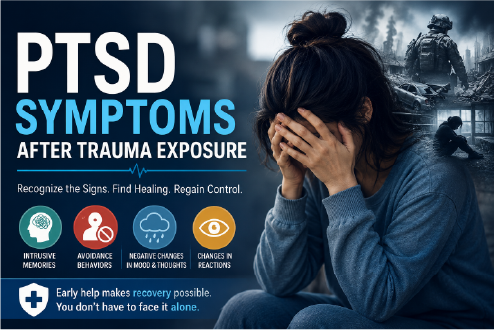
Experiencing a traumatic event can change the way a person thinks, feels, and reacts to everyday life. While many people recover naturally over time, others develop Post-Traumatic Stress Disorder (PTSD). PTSD is a mental health condition that may occur after someone experiences or witnesses a life-threatening or deeply distressing event. Understanding PTSD symptoms after trauma exposure helps individuals recognize early warning signs and seek timely medical support.
PTSD develops when the brain continues to respond to danger even after the traumatic event has ended. The condition can affect people of any age, including children and older adults. Common causes include military combat, physical assault, sexual violence, serious accidents, natural disasters, medical emergencies, and the sudden loss of a loved one.
Not everyone who experiences trauma develops PTSD. Genetics, previous mental health conditions, repeated trauma, and limited social support may increase the risk.
PTSD symptoms usually appear within a few weeks after the traumatic event, although they may begin months or even years later. Healthcare professionals generally group symptoms into four main categories.
People with PTSD often relive the traumatic event without warning. These memories can interrupt daily activities and create significant emotional distress. Common examples include:
These symptoms may make ordinary places, sounds, or situations feel threatening.
Many individuals try to avoid anything connected to the traumatic experience. Although avoidance may provide temporary relief, it often prolongs recovery.
Common avoidance symptoms include:
Persistent avoidance can affect work, relationships, and overall quality of life.
Read more >> Schizophrenia Early Warning Signs: What to Watch For
Trauma may alter the way people view themselves and the world. These emotional changes often persist for weeks or months.
Typical symptoms include:
These emotional symptoms may resemble depression, making professional evaluation important.
PTSD can keep the body’s stress response constantly active. This heightened alertness affects both physical and emotional well-being.
Common signs include:
Chronic stress may also contribute to headaches, fatigue, digestive problems, and muscle tension.
Many people experience temporary stress after trauma. However, medical attention becomes important when symptoms last longer than one month, become more severe, or interfere with daily life.
Seek immediate professional help if symptoms include suicidal thoughts, self-harm, severe panic attacks, or an inability to perform normal daily activities. Early diagnosis often improves long-term recovery.
Mental health professionals diagnose PTSD through detailed interviews and standardized psychological assessments. They evaluate symptom duration, severity, and the impact on daily functioning. Doctors may also rule out other medical or psychiatric conditions that produce similar symptoms, such as anxiety disorders, depression, or substance misuse.
A thorough evaluation ensures that patients receive the most appropriate treatment.
PTSD responds well to evidence-based treatment. Many people experience significant improvement with the right combination of therapies.
Trauma-focused psychotherapy remains the first-line treatment. Common approaches include:
These therapies help individuals process traumatic memories, reduce fear, and build healthy coping skills.
Doctors may prescribe antidepressants such as selective serotonin reuptake inhibitors (SSRIs) to reduce anxiety, depression, and intrusive thoughts. Medication often works best when combined with psychotherapy.
Professional treatment remains essential, but healthy daily habits also support recovery.
Helpful strategies include:
Recovery usually happens gradually rather than overnight.
Untreated PTSD may increase the risk of depression, anxiety disorders, substance abuse, chronic pain, cardiovascular disease, and relationship difficulties. Early intervention reduces these risks and improves emotional resilience.
Family members also play an important role by offering understanding, patience, and encouragement throughout recovery.
Recognizing PTSD symptoms after trauma exposure is the first step toward healing. Intrusive memories, avoidance behaviors, emotional changes, and constant hypervigilance can significantly affect daily life, but effective treatments are available. Early diagnosis, trauma-focused therapy, appropriate medication, and strong social support can help individuals regain control and improve their quality of life. If symptoms persist or worsen after a traumatic experience, seeking professional mental health care offers the best opportunity for lasting recovery.