Physical Address
304 North Cardinal St.
Dorchester Center, MA 02124
Physical Address
304 North Cardinal St.
Dorchester Center, MA 02124
Acne breakouts are often linked to hormonal changes in the body. Hormones can increase oil production, influence skin-cell growth, and contribute to clogged pores. This process can lead to blackheads, whiteheads, pimples, and painful cysts. Although acne can affect anyone, hormonal acne is especially common during puberty, menstrual cycles, pregnancy, and other periods of hormonal change.
Hormonal acne develops when hormonal fluctuations stimulate the sebaceous glands. These glands produce sebum, an oily substance that protects the skin. Excess sebum can mix with dead skin cells and block hair follicles. Bacteria can then grow inside these blocked pores, causing inflammation and acne lesions.
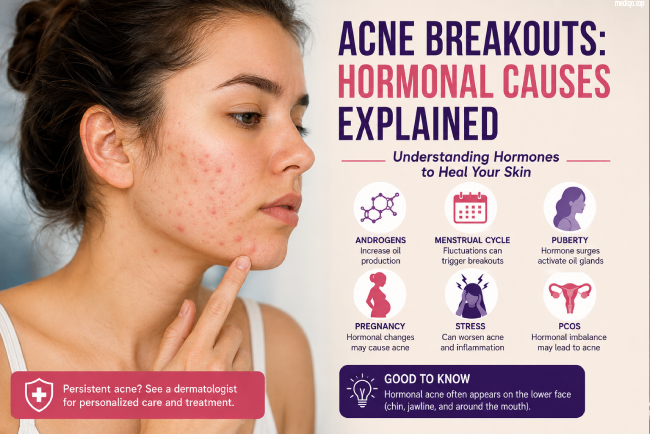
Hormonal acne often appears on the lower face. The chin, jawline, and area around the mouth are common locations. Some people may also develop acne on the neck, chest, shoulders, or back.
Androgens are hormones that play an important role in hormonal acne. Testosterone is one example. Both men and women produce androgens, although levels differ between individuals.
When androgen activity increases, the sebaceous glands may produce more oil. The skin can also become more prone to clogged pores. These changes create conditions that encourage acne development.
Hormonal acne does not necessarily mean that a person has unusually high hormone levels. Sometimes, the skin is simply more sensitive to normal hormonal changes.
Many women notice acne flare-ups before or during their menstrual period. Hormone levels naturally change throughout the menstrual cycle. These fluctuations can affect oil production and inflammation.
Acne may become worse several days before menstruation. Breakouts often develop around the chin, jawline, and lower cheeks. Some people experience this pattern every month, while others notice occasional flare-ups.
Keeping a simple skin and menstrual-cycle diary can help identify whether breakouts follow a predictable hormonal pattern.
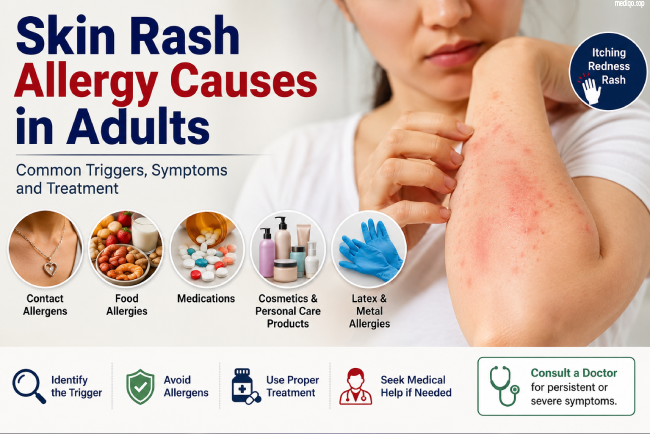
Read more >> Skin Rash Allergy Causes in Adults: Common Triggers
Puberty is one of the most common times for hormonal acne. During adolescence, androgen levels rise significantly. This change can activate the sebaceous glands and increase oil production.
As a result, teenagers may develop acne on the forehead, nose, cheeks, chest, and back. Mild acne may improve as hormonal activity becomes more stable. However, persistent or severe acne may require professional treatment to reduce the risk of scarring.
Polycystic ovary syndrome (PCOS) can sometimes be associated with hormonal acne. PCOS may involve increased androgen activity, irregular menstrual periods, excess facial or body hair, and other symptoms.
Acne alone does not diagnose PCOS. However, adults who develop persistent acne along with irregular periods, increased facial hair, scalp hair thinning, or unexplained weight changes should discuss these symptoms with a healthcare professional.
Pregnancy causes major hormonal changes, which can affect the skin. Some people experience increased oil production and acne during pregnancy. Others may notice clearer skin.
Pregnancy-related acne should be treated carefully because some acne medications are not considered safe during pregnancy. Anyone who is pregnant or planning pregnancy should discuss acne treatments with a healthcare professional before using prescription or over-the-counter products.
Stress does not directly cause every acne breakout, but it may make existing acne worse. Stress can affect several hormones and inflammatory pathways. It may also influence sleep, diet, and skincare habits.
People experiencing frequent breakouts may benefit from consistent sleep, regular physical activity, balanced nutrition, and stress-management techniques. These habits support overall health but should not replace appropriate acne treatment.
Persistent, painful, or severe acne deserves medical attention. A dermatologist or other qualified healthcare professional can determine whether hormones may be contributing to the problem.
Medical evaluation is particularly important when acne suddenly becomes severe in adulthood or occurs with irregular periods, excess facial hair, significant hair loss, or other hormonal symptoms. Early treatment can help control inflammation and reduce the likelihood of permanent acne scars.
Treatment depends on the severity and pattern of acne. Healthcare professionals may recommend topical retinoids, benzoyl peroxide, salicylic acid, antibiotics, or hormonal treatments in appropriate patients.
Some women with hormonal acne may benefit from certain hormonal therapies. These treatments should be selected by a healthcare professional after considering medical history, other medications, pregnancy plans, and potential risks.
A gentle cleanser and non-comedogenic moisturizer can also support the skin barrier. Avoiding frequent picking or squeezing can reduce inflammation and the risk of scarring.
Hormonal changes can play a major role in acne breakouts. Androgens, menstrual-cycle changes, puberty, pregnancy, and conditions such as PCOS can influence oil production and inflammation.
Recognizing when and where breakouts occur can provide useful clues. However, acne patterns alone cannot confirm a hormonal disorder. If acne is persistent, painful, or accompanied by other hormonal symptoms, professional medical advice can help identify the cause and guide appropriate treatment.