Physical Address
304 North Cardinal St.
Dorchester Center, MA 02124
Physical Address
304 North Cardinal St.
Dorchester Center, MA 02124

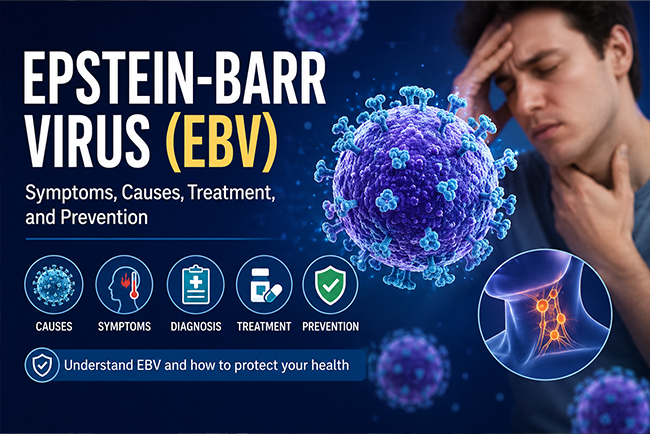
Epstein-Barr virus (EBV) is one of the most common viruses that infect humans. It belongs to the herpesvirus family and is also known as human herpesvirus 4 (HHV-4). Many people become infected during childhood and may have no noticeable symptoms. However, EBV can cause infectious mononucleosis, commonly called mono, particularly in teenagers and young adults.
Epstein-Barr virus is a contagious virus that usually spreads through saliva. After infection, EBV remains in the body in an inactive state. Most infections do not cause serious illness, but some people develop symptoms ranging from mild fever and fatigue to infectious mononucleosis.
Although EBV is best known for causing mono, it can occasionally contribute to other health problems, especially in people with weakened immune systems.
EBV spreads mainly through contact with infected saliva. Common ways to become infected include:
The virus can also spread through blood and semen during sexual contact, blood transfusions, and organ transplantation.
Read More>>Hot Spot: Release Date, Story, Cast, and Everything We Know About the Sci-Fi Thriller
Many people with EBV have no symptoms. When symptoms occur, they may include:
Symptoms of infectious mononucleosis commonly appear about four to six weeks after infection. Most people improve within two to four weeks, although fatigue can continue for several weeks or, in some cases, longer.
Doctors may diagnose EBV based on symptoms and medical history. Blood tests can help confirm an infection by detecting antibodies associated with EBV. Different antibody tests can help determine whether an infection is recent or occurred in the past.
Because EBV symptoms can resemble other infections, healthcare professionals may use additional testing when necessary.
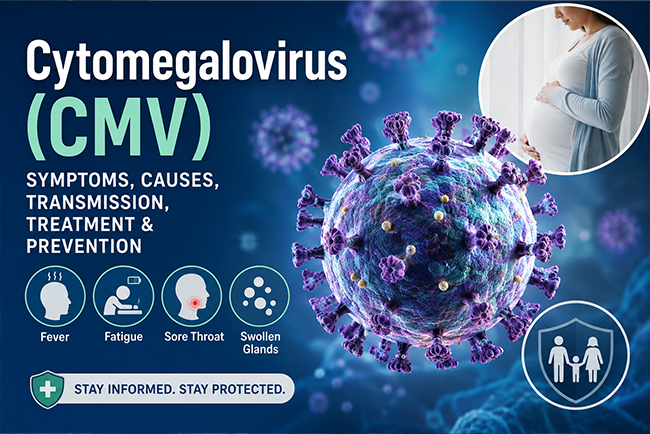
Read More>>Cytomegalovirus (CMV): Symptoms, Causes, Transmission, and Prevention
There is no specific treatment that eliminates EBV from the body. Treatment generally focuses on relieving symptoms and supporting recovery.
Helpful measures include:
People with infectious mononucleosis may need to avoid strenuous activities for a period of time, particularly when the spleen is enlarged, because of the risk of injury.
Currently, there is no vaccine that prevents EBV infection. Reducing exposure to saliva can lower the risk of infection. Avoid sharing drinks, food, utensils, or toothbrushes with someone who may have an active infection.
Seek medical advice if you develop persistent fever, severe sore throat, unusual fatigue, swollen lymph nodes, or other symptoms that concern you. Severe symptoms, particularly difficulty breathing, severe abdominal pain, or neurological symptoms, require prompt medical evaluation.
Epstein-Barr virus (EBV) is extremely common and often causes no symptoms. However, it can cause infectious mononucleosis, especially among adolescents and young adults. Understanding EBV symptoms, transmission, diagnosis, treatment, and prevention can help people recognize the infection and seek appropriate medical care when needed.
This article is for educational purposes and should not replace professional medical advice.