Physical Address
304 North Cardinal St.
Dorchester Center, MA 02124
Physical Address
304 North Cardinal St.
Dorchester Center, MA 02124

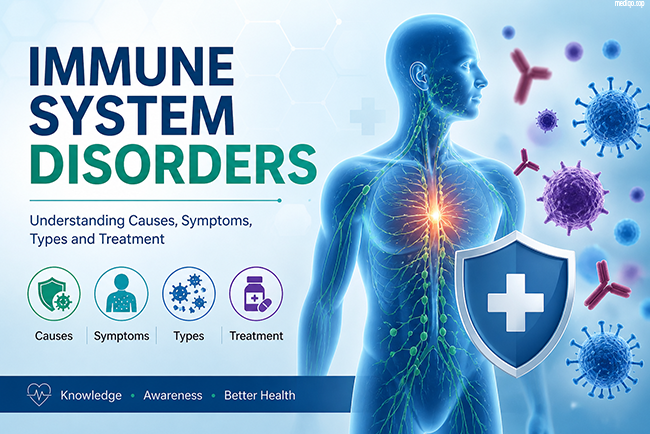
Immune system disorders affect how the body defends itself against infections and harmful substances. A healthy immune system identifies and destroys viruses, bacteria, and abnormal cells. However, when this system malfunctions, it may become overactive, underactive, or mistakenly attack the body. Conditions like autoimmune diseases, allergies, and immunodeficiency disorders fall under this category. These disorders can impact daily life and long-term health if not managed properly.
Immune system disorders fall into three main types. Autoimmune diseases occur when the immune system attacks healthy tissues. Common examples include rheumatoid arthritis and lupus. Allergic disorders arise when the immune system reacts strongly to harmless substances like pollen or food. Immunodeficiency disorders weaken the body’s ability to fight infections. HIV/AIDS is a well-known example. Each type requires a different approach to diagnosis and treatment.
Several factors contribute to immune system disorders. Genetics play a major role, as some conditions run in families. Environmental triggers like infections, toxins, and stress can also influence immune function. Poor nutrition and lack of sleep weaken the body’s defense mechanisms. In some cases, the exact cause remains unknown. However, early identification of risk factors helps reduce complications and improves outcomes.
Symptoms vary depending on the type of disorder. Frequent infections may signal immunodeficiency. Persistent inflammation, joint pain, and fatigue often indicate autoimmune conditions. Allergic reactions may include sneezing, itching, and swelling. Skin rashes and digestive issues can also occur. Recognizing these signs early allows timely medical intervention and better disease management.
Doctors use several methods to diagnose immune system disorders. Blood tests help measure immune cell levels and detect antibodies. Imaging tests may identify inflammation or organ damage. In some cases, specialized tests confirm specific conditions. A detailed medical history and physical examination remain essential. Accurate diagnosis ensures that patients receive the most effective treatment plan.
Treatment depends on the type and severity of the disorder. Autoimmune diseases often require medications that suppress immune activity. Allergies are managed with antihistamines and lifestyle adjustments. Immunodeficiency disorders may need immune-boosting therapies or preventive antibiotics. In advanced cases, treatments like bone marrow transplant can restore immune function. Regular follow-up and adherence to treatment improve quality of life.
Read more >> Hay Fever Treatment: Best Remedies, Medicines, and Prevention Tips
Healthy habits play a vital role in managing immune system disorders. A balanced diet rich in fruits, vegetables, and protein supports immune health. Regular exercise improves circulation and reduces stress. Adequate sleep allows the body to repair and regenerate. Avoiding smoking and limiting alcohol intake also protect immune function. Simple lifestyle changes can significantly enhance overall well-being.
Not all immune system disorders can be prevented, but certain steps reduce risk. Vaccination protects against many infections. Maintaining hygiene and avoiding known allergens help prevent complications. Early diagnosis and consistent care improve long-term outcomes. Many people with immune disorders lead active lives with proper management and medical support.