Physical Address
304 North Cardinal St.
Dorchester Center, MA 02124
Physical Address
304 North Cardinal St.
Dorchester Center, MA 02124
Mineral deficiency disease is a common health problem that occurs when the body lacks essential minerals needed for proper functioning. Minerals such as calcium, iron, iodine, zinc, and magnesium play vital roles in maintaining strong bones, healthy blood, proper nerve function, and overall body growth. When the body does not receive enough of these nutrients, various health issues can develop.
Understanding mineral deficiency disease is important because early detection and proper nutrition can prevent many complications. This article explains the causes, symptoms, types, and prevention methods of mineral deficiency diseases.
Mineral deficiency disease refers to health conditions that develop when the body lacks important minerals required for normal biological processes. Minerals are micronutrients, meaning the body needs them in small amounts, but they are essential for maintaining good health.
For example, calcium helps build strong bones and teeth, while iron supports the production of hemoglobin in the blood. Without enough minerals, the body cannot perform these functions effectively.
Several diseases occur due to mineral deficiencies. Some of the most common ones include:
1. Iron Deficiency Anemia
Iron deficiency anemia occurs when the body lacks enough iron to produce healthy red blood cells. Symptoms include fatigue, weakness, pale skin, and shortness of breath.
2. Iodine Deficiency Disorders
Iodine deficiency can lead to thyroid gland enlargement, commonly known as goiter. It may also cause developmental problems in children.
3. Calcium Deficiency
Calcium deficiency can weaken bones and increase the risk of osteoporosis. It may also cause muscle cramps and brittle nails.
4. Zinc Deficiency
Zinc deficiency affects immune function, wound healing, and growth in children.
Several factors can contribute to mineral deficiency disease. The most common causes include:
People who do not eat a balanced diet rich in fruits, vegetables, whole grains, and protein are more likely to develop mineral deficiencies.
Read More>>Undernutrition Disease
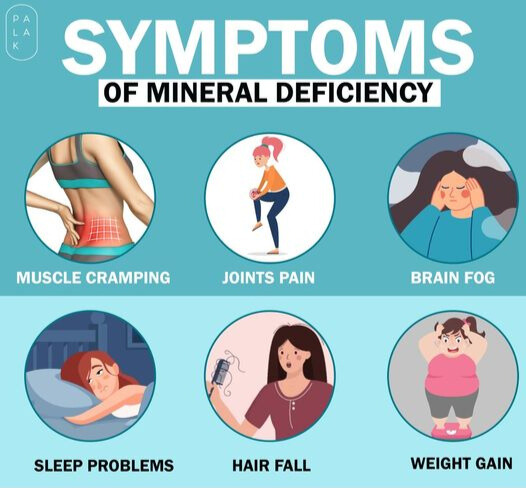
The symptoms of mineral deficiency disease vary depending on the mineral lacking in the body. However, some general symptoms include:
If these symptoms persist, medical advice should be sought for proper diagnosis and treatment.
Preventing mineral deficiency disease is possible through healthy lifestyle choices and proper nutrition. Some effective prevention methods include:
Eat a Balanced Diet
Include foods rich in essential minerals such as leafy vegetables, nuts, dairy products, fish, eggs, and whole grains.
Use Iodized Salt
Iodized salt helps prevent iodine deficiency and thyroid-related diseases.
Take Supplements When Necessary
Doctors may recommend mineral supplements for individuals with deficiencies.
Regular Health Checkups
Routine medical tests can help detect nutrient deficiencies early.
Mineral deficiency disease can significantly affect overall health if left untreated. However, most of these conditions are preventable through balanced nutrition and healthy lifestyle habits. Eating mineral-rich foods, maintaining a varied diet, and seeking medical advice when symptoms appear can help keep the body healthy and strong.
By understanding mineral deficiency disease and its causes, individuals can take proactive steps to protect their health and prevent serious complications in the future.
Read More>>Cut Off (2026)