Physical Address
304 North Cardinal St.
Dorchester Center, MA 02124
Physical Address
304 North Cardinal St.
Dorchester Center, MA 02124

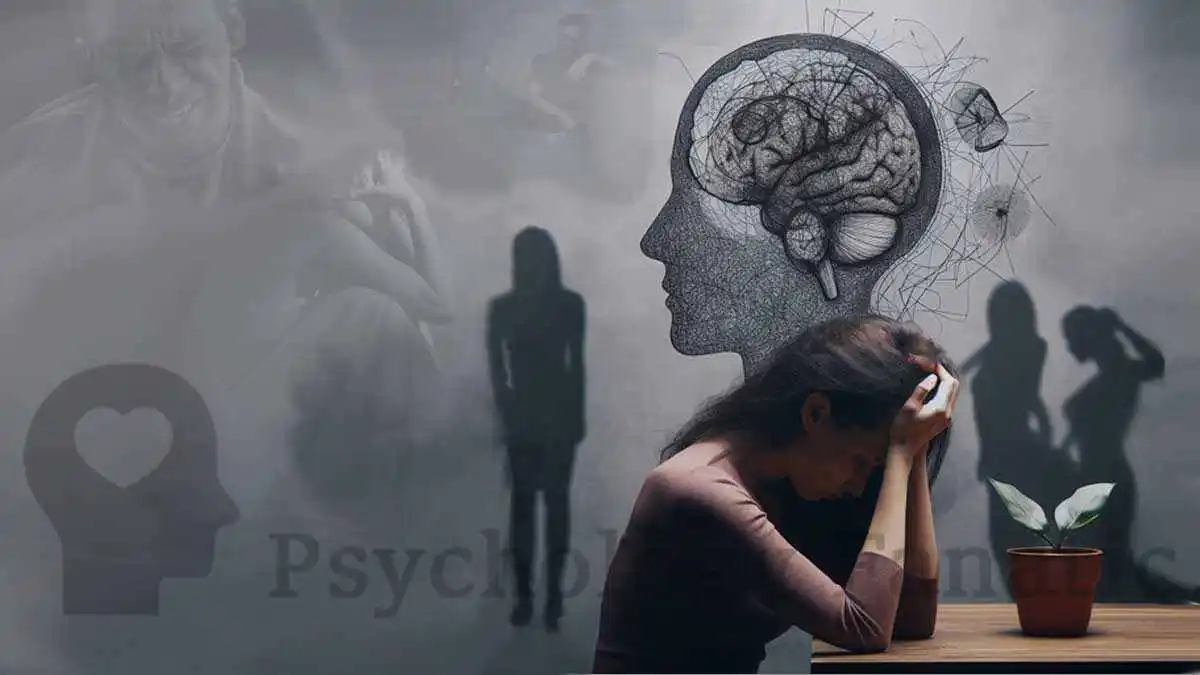
Psychological disorders are mental health conditions that affect a person’s thoughts, emotions, behavior, and ability to function in daily life. These disorders can range from mild to severe and may interfere with relationships, work, school, and overall well-being. Understanding psychological disorders is important because early awareness and treatment can significantly improve a person’s quality of life.
In today’s fast-paced world, mental health awareness is growing rapidly. Millions of people across the globe experience different types of psychological disorders, making it one of the most important health topics in modern society.
Psychological disorders, also known as mental disorders, are patterns of thoughts or behaviors that cause distress or impair normal functioning. These conditions are usually diagnosed by mental health professionals using clinical evaluations and established diagnostic criteria.
Unlike occasional stress or sadness, psychological disorders tend to persist over time and may require professional treatment.
There are many types of psychological disorders. Some of the most common include:
1. Anxiety Disorders
Anxiety disorders involve excessive fear, worry, or nervousness. People with these disorders often experience constant tension and difficulty controlling their anxiety. Examples include generalized anxiety disorder, panic disorder, and social anxiety disorder.
2. Depression
Depression is a mood disorder characterized by persistent sadness, loss of interest in activities, fatigue, and difficulty concentrating. It is one of the most common psychological disorders worldwide.
3. Bipolar Disorder
Bipolar disorder causes extreme mood swings, including emotional highs (mania) and lows (depression). These shifts can affect energy levels, judgment, and behavior.
4. Obsessive-Compulsive Disorder (OCD)
OCD involves recurring unwanted thoughts (obsessions) and repetitive behaviors (compulsions) performed to reduce anxiety.
5. Post-Traumatic Stress Disorder (PTSD)
PTSD may develop after experiencing or witnessing a traumatic event. Symptoms often include flashbacks, nightmares, and severe anxiety.
Psychological disorders usually develop due to a combination of several factors rather than a single cause.
Read More>>Examples of Behavioral Health Disorders
Biological Factors
Genetics, brain chemistry, and hormonal imbalances can increase the risk of developing certain psychological disorders.
Environmental Factors
Stressful life events, trauma, abuse, or major life changes can trigger mental health conditions.
Psychological Factors
Personality traits, coping skills, and early childhood experiences can influence how individuals respond to stress and emotional challenges.
Symptoms can vary depending on the type of disorder, but some common signs include:
If these symptoms last for several weeks and interfere with normal life, seeking professional help is important.
Fortunately, many psychological disorders are treatable. With proper care, individuals can manage symptoms and lead healthy lives.
Psychotherapy (Talk Therapy)
Therapies such as cognitive behavioral therapy (CBT) help individuals understand and change negative thought patterns.
Medication
Doctors may prescribe medications like antidepressants, mood stabilizers, or anti-anxiety drugs to manage symptoms.
Lifestyle Changes
Healthy habits such as regular exercise, balanced nutrition, quality sleep, and stress management can support mental health recovery.
Support Systems
Family support, counseling groups, and community resources can also play a crucial role in treatment.
Psychological disorders are common but often misunderstood health conditions. By learning about their symptoms, causes, and treatment options, individuals can better support themselves and others facing mental health challenges.
Most importantly, seeking help from qualified mental health professionals can make a significant difference. With early diagnosis, proper treatment, and supportive environments, people living with psychological disorders can achieve improved well-being and a fulfilling life.