Physical Address
304 North Cardinal St.
Dorchester Center, MA 02124
Physical Address
304 North Cardinal St.
Dorchester Center, MA 02124

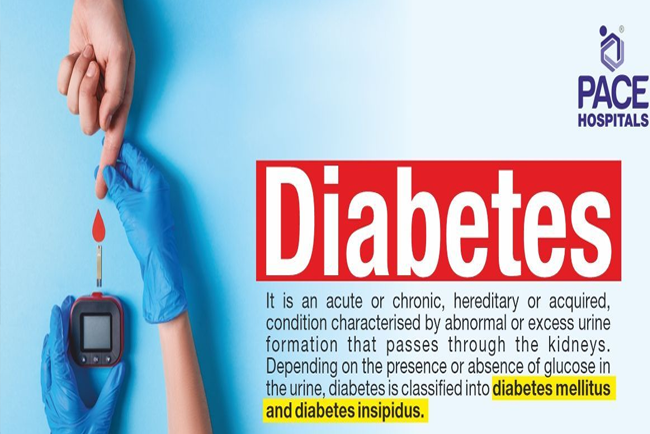
Diabetes Mellitus is a chronic health condition that affects how the body processes blood sugar, also known as glucose. Glucose is the body’s main source of energy, but people with diabetes either do not produce enough insulin or cannot use insulin properly. As a result, blood sugar levels become too high.
Diabetes mellitus is becoming increasingly common worldwide and can affect people of all ages. Early diagnosis and proper management are essential to prevent serious health complications.
There are three main types of diabetes mellitus:
Type 1 diabetes occurs when the immune system attacks insulin-producing cells in the pancreas. It is usually diagnosed in children and young adults. People with this condition require daily insulin therapy.
Type 2 diabetes is the most common form. It develops when the body becomes resistant to insulin or does not produce enough insulin. Lifestyle factors such as obesity, poor diet, and lack of physical activity increase the risk.
Read More>>Fetus in Fetu: Causes, Symptoms, Diagnosis, and Treatment
Gestational diabetes develops during pregnancy. Although it often disappears after childbirth, it increases the mother’s risk of developing type 2 diabetes later in life.
Recognizing the symptoms early can help reduce complications. Common signs include:
If these symptoms persist, medical consultation is important.
Several factors contribute to diabetes mellitus, including:
For type 1 diabetes, the exact cause remains unclear, but genetic and environmental factors may play a role.
Doctors use several tests to diagnose diabetes mellitus, such as:
Regular health checkups can help detect diabetes early and improve treatment outcomes.
Managing diabetes requires a combination of medication, lifestyle changes, and regular monitoring.
A balanced diet rich in vegetables, whole grains, lean protein, and healthy fats can help control blood sugar levels. Limiting sugary foods and processed carbohydrates is recommended.
Physical activity improves insulin sensitivity and supports healthy weight management. Walking, cycling, and swimming are beneficial exercises for diabetes patients.
Doctors may prescribe oral medications or insulin therapy depending on the type and severity of diabetes.
Regular glucose monitoring helps patients manage their condition effectively and avoid complications.
Untreated diabetes can lead to serious health problems, including:
Proper diabetes management significantly lowers these risks.
Although type 1 diabetes cannot currently be prevented, type 2 diabetes risk can often be reduced through healthy lifestyle choices:
Diabetes Mellitus is a serious but manageable condition. Understanding its symptoms, causes, and treatment options can help individuals lead healthier lives. Early diagnosis, healthy eating, physical activity, and proper medical care are key to controlling diabetes and preventing complications. By adopting healthy habits, many people can reduce their risk and improve their overall well-being.
Read More>>Untitled George Harrison Biopic