Physical Address
304 North Cardinal St.
Dorchester Center, MA 02124
Physical Address
304 North Cardinal St.
Dorchester Center, MA 02124

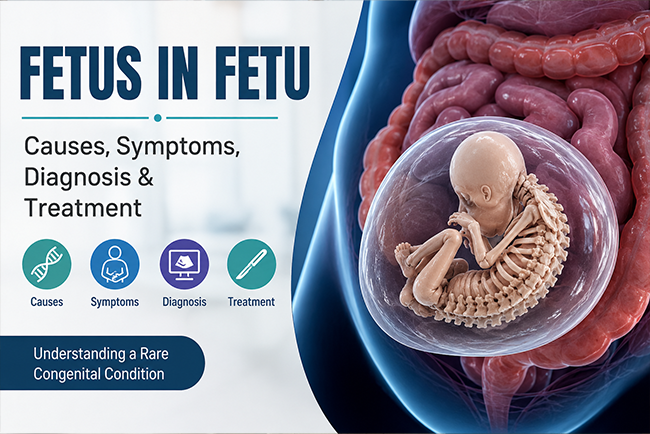
Fetus in fetu is an extremely rare medical condition in which a malformed fetus develops inside the body of its twin. Doctors usually discover it in infants or young children during medical examinations or imaging scans. Although it may sound alarming, the condition is not the same as cancer and is generally treatable through surgery.
This rare abnormality occurs during early pregnancy when identical twins fail to separate completely. As a result, one underdeveloped twin becomes trapped inside the body of the other twin, often in the abdomen.
Read More>>Ramayana Part 2
Medical experts believe fetus in fetu develops during the early stages of embryonic growth. In a normal twin pregnancy, embryos divide properly and grow separately. However, in this condition, one embryo surrounds the smaller twin and continues to develop while the trapped fetus stops growing.
Researchers still debate the exact cause. Nevertheless, most specialists classify fetus in fetu as a developmental abnormality linked to identical twinning.
Symptoms of fetus in fetu depend on the size and location of the mass inside the body. Some children show signs shortly after birth, while others remain symptom-free for months.
Common symptoms include:
In many cases, parents notice unusual abdominal swelling and seek medical advice.
Doctors use modern imaging technology to diagnose fetus in fetu accurately. Early diagnosis helps prevent complications and allows timely treatment.
Common diagnostic methods include:
These imaging tests may reveal structures resembling bones, limbs, or a spinal column inside the mass. The presence of a vertebral column often helps doctors distinguish fetus in fetu from tumors such as teratomas.
Many people confuse fetus in fetu with teratoma because both conditions may contain tissues like hair, bone, or teeth. However, there is an important difference.
A teratoma is a tumor formed from germ cells, while fetus in fetu shows organized fetal development with recognizable body structures. Doctors rely on imaging and pathology tests to confirm the diagnosis.
Surgery is the primary treatment for fetus in fetu. Surgeons carefully remove the enclosed mass to relieve symptoms and prevent future complications.
Most patients recover well after surgery, especially when doctors diagnose the condition early. Follow-up imaging may also help ensure no remaining abnormal tissue exists.
Because the condition is rare, treatment usually takes place in specialized hospitals with pediatric surgical teams.
Currently, there is no known way to prevent fetus in fetu. Since the condition develops during early embryonic formation, it occurs before anyone can detect or influence the process.
However, routine prenatal scans and early medical evaluations can help doctors identify unusual fetal development during pregnancy or infancy.
Fetus in fetu is one of the rarest congenital conditions ever documented in medical history. Although the condition appears unusual, modern medical imaging and surgical treatment have significantly improved patient outcomes.
Parents should consult a healthcare professional if a child develops unexplained abdominal swelling or related symptoms. Early diagnosis and treatment remain the best approach for managing this rare condition successfully.
Read More>>Blepharospasm: Causes, Symptoms, and Effective Treatment Options