Physical Address
304 North Cardinal St.
Dorchester Center, MA 02124
Physical Address
304 North Cardinal St.
Dorchester Center, MA 02124
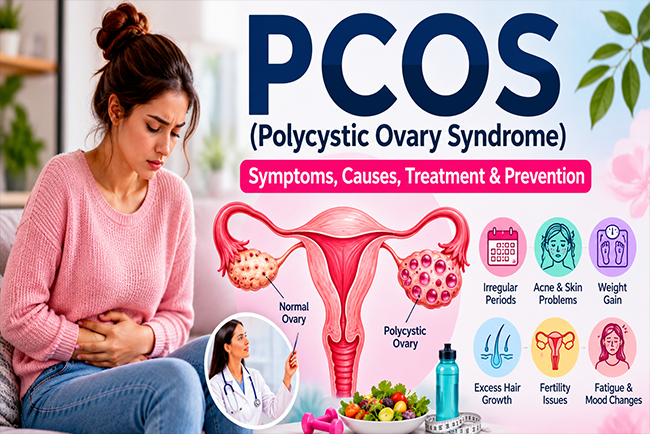
PCOS (Polycystic Ovary Syndrome) is one of the most common hormonal disorders affecting women of reproductive age. It impacts the ovaries, hormone production, menstrual cycles, fertility, and overall health. According to health experts, millions of women worldwide live with PCOS, often without realizing they have the condition.
Early diagnosis and proper management can help reduce symptoms and lower the risk of long-term health complications. Understanding PCOS is the first step toward better reproductive and metabolic health.
The symptoms of PCOS can vary from person to person. Some women experience mild symptoms, while others face significant health challenges.
Common signs of PCOS include:
If you experience several of these symptoms, it is important to consult a healthcare professional for evaluation.
Read More>>Autism Spectrum Disorder
The exact cause of Polycystic Ovary Syndrome remains unknown. However, several factors are believed to contribute to its development:
Many women with PCOS have insulin resistance, meaning their bodies cannot use insulin effectively. This can lead to higher insulin levels, which may increase androgen production.
Women with PCOS often produce higher levels of androgens, commonly known as male hormones. Elevated androgen levels can interfere with ovulation and menstrual cycles.
PCOS tends to run in families. If your mother or sister has PCOS, your risk of developing the condition may be higher.
Low-grade inflammation may stimulate the ovaries to produce excess androgens, contributing to PCOS symptoms.
Doctors typically diagnose PCOS using a combination of:
There is no single test that confirms PCOS. Healthcare providers evaluate symptoms and test results to make an accurate diagnosis.
Read More>>Voicemails for Isabelle (2026) Movie Preview
Although there is currently no cure for PCOS, various treatments can help manage symptoms effectively.
Healthy lifestyle habits are often the first line of treatment:
Even modest weight loss can improve hormone balance and menstrual regularity.
Doctors may prescribe medications to:
Treatment plans are personalized based on symptoms and reproductive goals.
Without proper management, PCOS can increase the risk of several health conditions, including:
Regular medical checkups can help detect and manage these risks early.
There is no guaranteed way to prevent PCOS, especially when genetic factors are involved. However, maintaining a healthy lifestyle can reduce symptom severity and improve overall health.
Helpful prevention strategies include:
PCOS (Polycystic Ovary Syndrome) is a common hormonal condition that can affect menstrual health, fertility, and overall well-being. While there is no cure, early diagnosis and proper treatment can significantly improve quality of life. By adopting healthy lifestyle habits and working closely with healthcare professionals, women with PCOS can successfully manage symptoms and reduce long-term health risks.
If you suspect you may have PCOS, seek medical advice for proper evaluation and personalized treatment options.